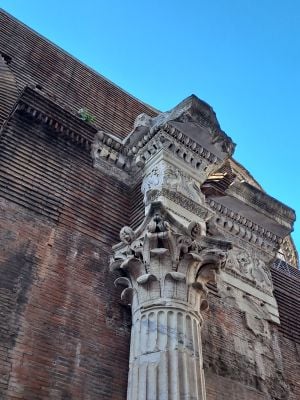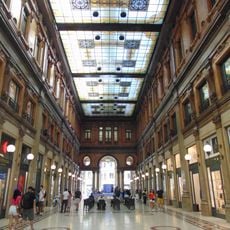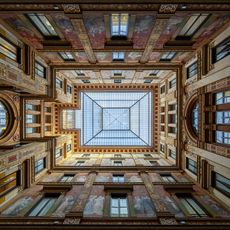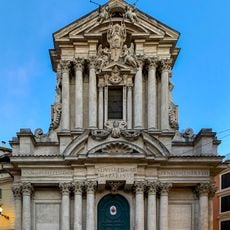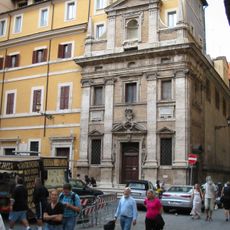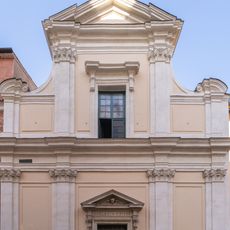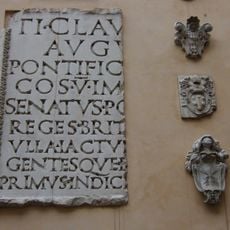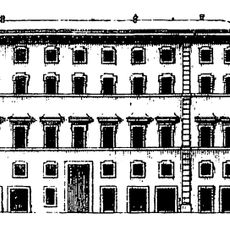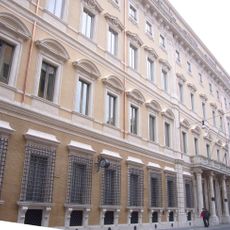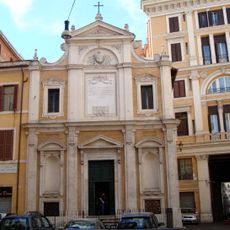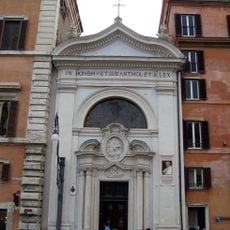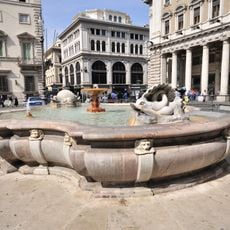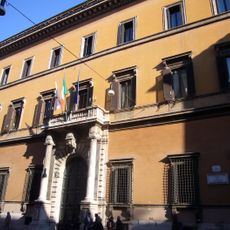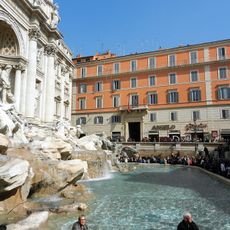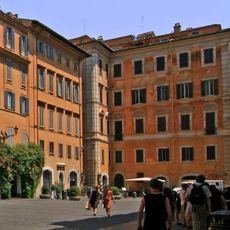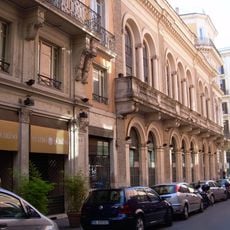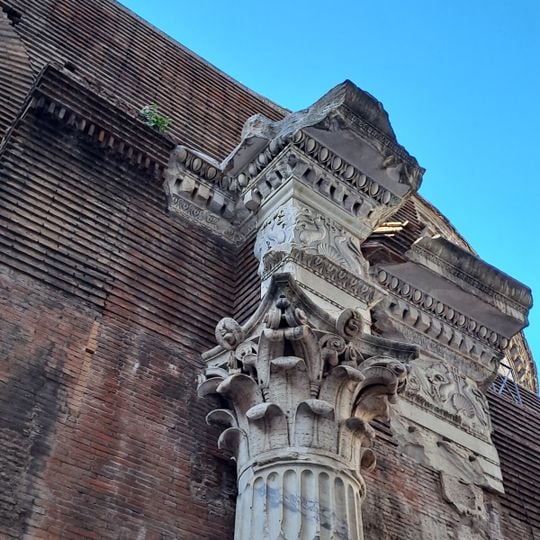
Porticus Vipsania, Roman portico in Regio VII Via Lata, Italy.
Porticus Vipsania is a columned structure along the eastern side of Via Lata in the Campus Martius, featuring multiple columns supporting a covered walkway. The portico's roof extended across substantial width, creating a shaded passage that ran for several hundred feet.
The structure began construction during Augustus's reign when Agrippa and his sister Polla initiated this ambitious project for public use. The work continued and was eventually completed under imperial oversight, becoming part of Rome's expanding public infrastructure.
This portico served as a meeting place where Romans gathered and conducted business under its covered walkways along a major thoroughfare. The structure functioned as part of daily public life, offering shelter while enabling people to move through the city center.
The site sits beneath modern Rome near today's Via del Corso, where visible remains are limited and mostly buried underground. Joining a guided archaeological tour helps visitors understand what once stood here and see any excavated fragments on display.
Beneath the ruins flows a water system that dates to antiquity, where pipes from an ancient aqueduct still carry water under the site. This hidden network reveals how Roman engineers channeled water throughout the city with remarkable skill.
The community of curious travelers
AroundUs brings together thousands of curated places, local tips, and hidden gems, enriched daily by 90,758 contributors worldwide.