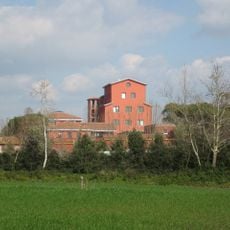
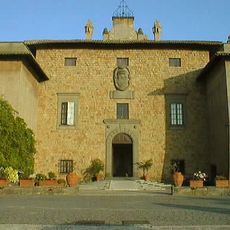
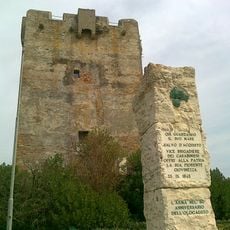
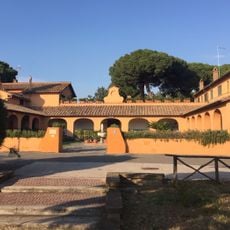
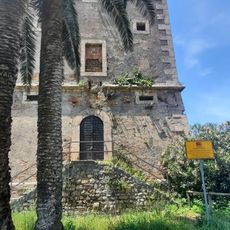
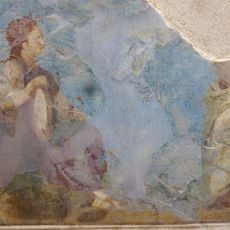
Castel di Guido, Archaeological zone in northwestern Rome, Italy.
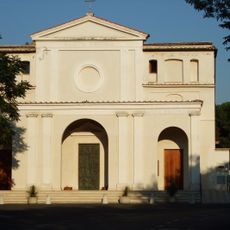
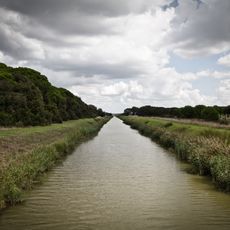
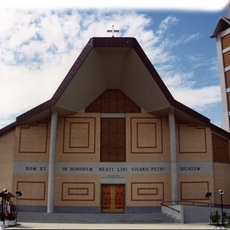
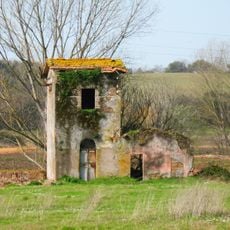
Castel di Guido is an archaeological zone in the northwestern part of Roma Capitale, known for prehistoric remains dating back hundreds of thousands of years. The area sits outside the urban center and combines open land with a few scattered settlements.
People settled in this area around 400,000 years ago and left behind bone tools and other traces of daily life. Planned excavations carried out in the 1980s brought these remains to light and established the site as one of the notable prehistoric finds in central Italy.
The site is known for animal bones shaped into tools by early humans who lived in this part of what is now Rome. Visitors can learn about these finds through archaeological publications and museum collections that preserve the excavated material.
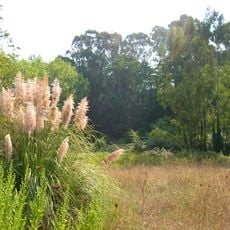
The zone lies in the northwestern outskirts of Rome and is most conveniently reached by car. Since the terrain is largely open and uneven, sturdy footwear is a good idea before heading out.
The bone tools recovered here were made from elephant bones, which suggests that early humans in this area were deliberately choosing their raw materials rather than using whatever was nearby. This kind of selection is rare to document at such an early point in prehistory.
The community of curious travelers
AroundUs brings together thousands of curated places, local tips, and hidden gems, enriched daily by 90,892 contributors worldwide.