Castello di Torre In Pietra, Medieval castle in Torrimpietra, Italy
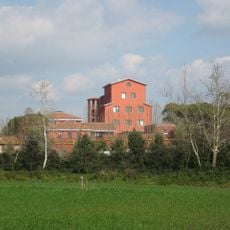
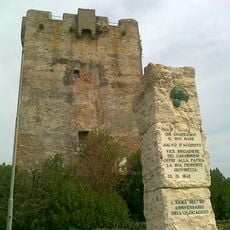
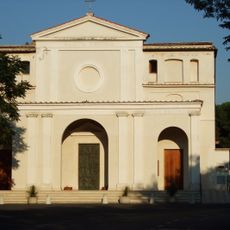
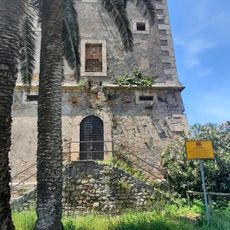
Castello di Torre In Pietra, also called castello Falconieri, stands in the Roman countryside at Torrimpietra. Gardens with tall pines lead to a courtyard with a low-arched columned portico; on the ground floor the Peretti hall covers 220 square metres under a full-arch vault with ribs at the windows. A historic staircase climbs to the piano nobile.
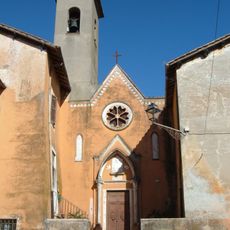
In 1254 the borgo was a castrum owned by the Normanni family, who consolidated neighbouring estates such as Pruniano and Castel Lombardo. The Anguillara sold it in 1457 for 3000 gold ducats to Massimo di Lello di Cecco dei Massimo; it later passed to the Peretti and in 1639 to the Falconieri princes. Ferdinando Fuga built the church and the noble-floor staircase, and the Falconieri line died out in the second half of the 19th century. Senator Luigi Albertini bought it in 1926, reclaimed the land and made it a leading livestock farm; his heirs still own it.
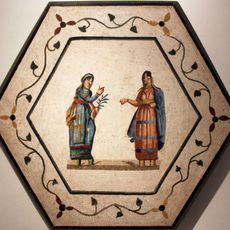
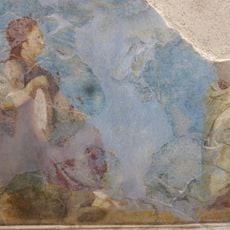
The noble floor's frescoes by Pier Leone Ghezzi, commissioned by Alessandro Falconieri, celebrate Pope Benedict XIII's 1725 visit to the castle. The Falconieri rooms, green room, wood room and gallery are painted with wooded landscapes, while the octagonal church's side altars also carry his work.
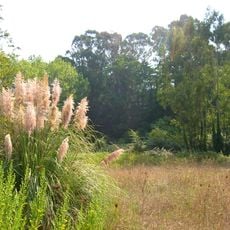
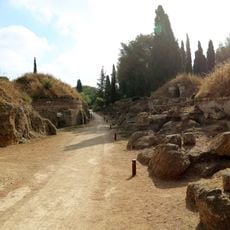
The castle is in Torrimpietra, in the comune of Fiumicino, reached by car along the via Aurelia; the estate lies on gently rolling ground at about 50 metres above sea level. Visits are guided and the property also hosts weddings and conferences, so check opening days before setting out. The cellars, dug into tufa beneath a hill, can be visited with the winery.
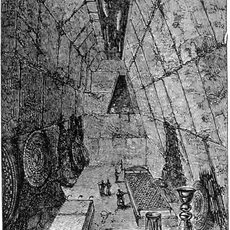
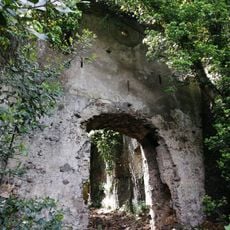
The castle's cellars were dug into a hill of tufa formed from the ashes of the Bracciano volcano, and wine was already made there in the 17th century. When the cellar was enlarged in 1938, workers found numerous remains of prehistoric elephants (Palaeoloxodon antiquus).
The community of curious travelers
AroundUs brings together thousands of curated places, local tips, and hidden gems, enriched daily by 93,648 contributors worldwide.