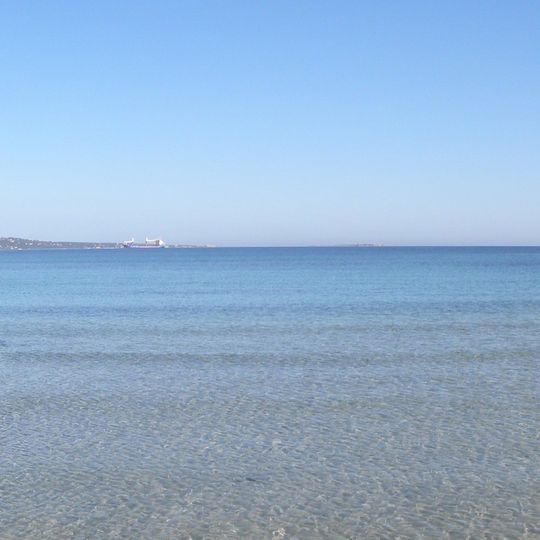
Sulcis, Geographic region in southwestern Sardinia, Italy
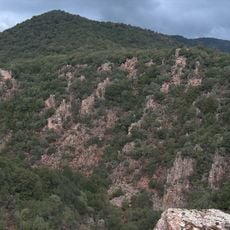
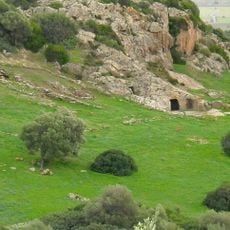
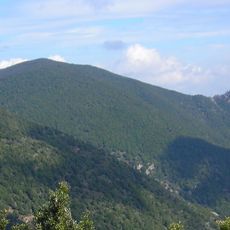
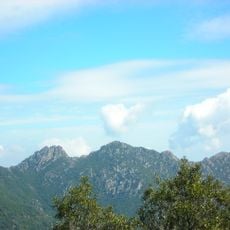
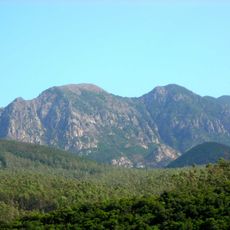
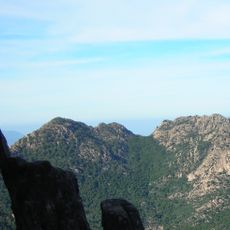
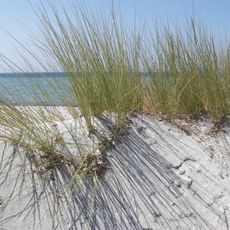
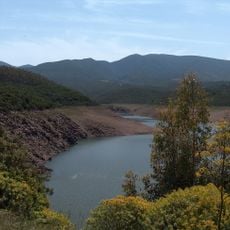
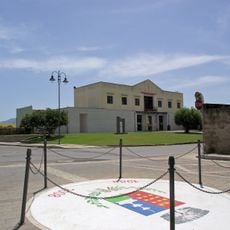
Sulcis is a geographic region in southwestern Sardinia encompassing 23 municipalities across coastal areas, hills, and two islands: San Pietro and Sant'Antioco. The territory links diverse landscapes and settlements through a network of roads connecting to major Sardinian transportation hubs.
The region takes its name from the ancient Phoenician city of Sulci, founded near present-day Sant'Antioco and growing into a significant settlement during the second millennium BC. This early establishment shaped the area's cultural and economic development for millennia to follow.
Three languages are spoken in Sulcis: Italian, the Sardinian Campidanesu dialect, and Tabarchino, a Ligurian variant brought by settlers from Tunisia. This linguistic diversity shapes how people communicate and interact in their daily lives.
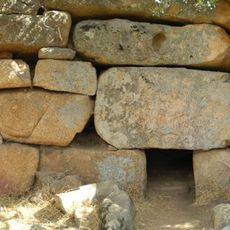
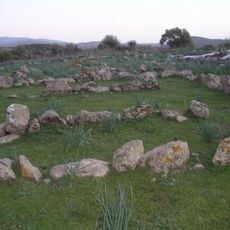
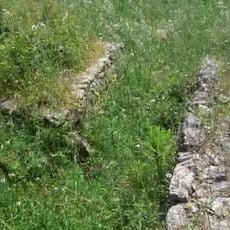
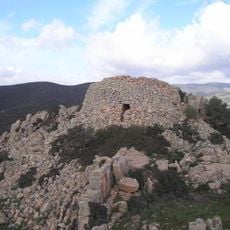
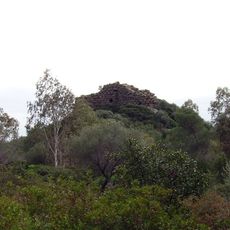
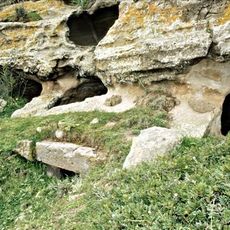
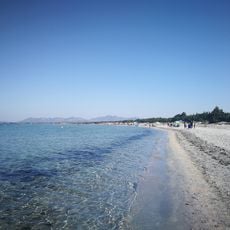
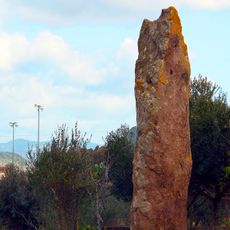
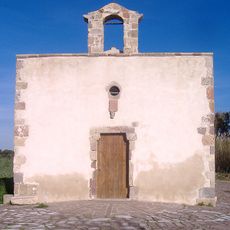
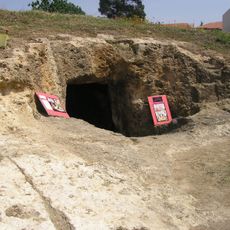
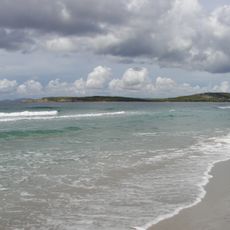
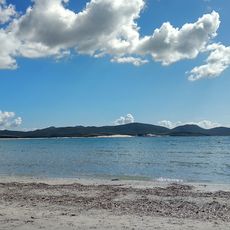
The region offers numerous archaeological sites, beaches, and mining museums spread across its territory and linked by road networks. A car is the most practical way to explore, as distances between attractions vary and public transportation does not serve all areas equally.
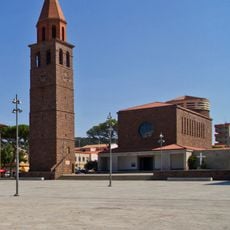
The territory contains extensive coal deposits that powered industrial development until the 1970s, with Carbonia built specifically to serve mining operations. This mining past left visible marks on the landscape and settlements that shape the area's character today.
The community of curious travelers
AroundUs brings together thousands of curated places, local tips, and hidden gems, enriched daily by 91,422 contributors worldwide.