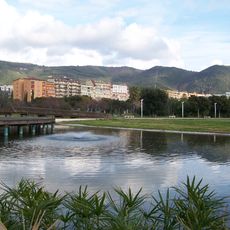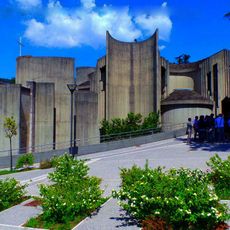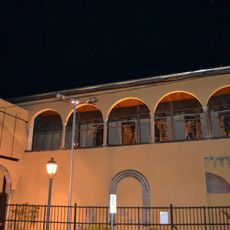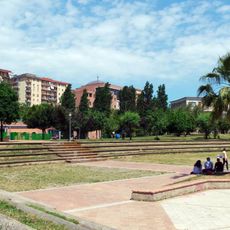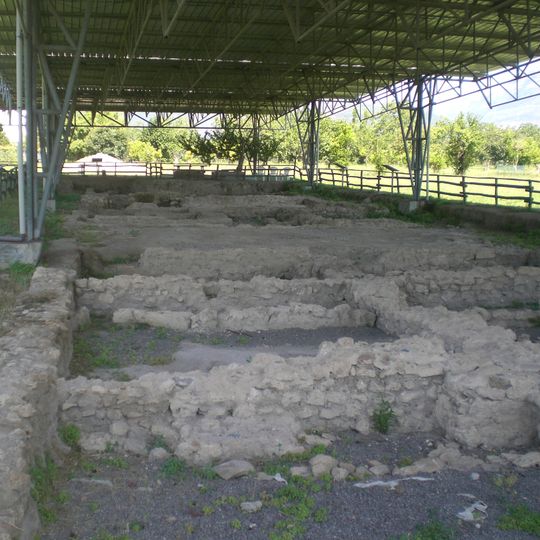
Archaeological park of the ancient Picentia, Archaeological site in Pontecagnano Faiano, Italy.
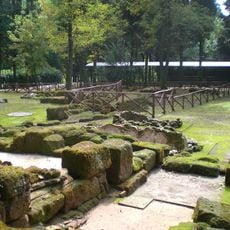
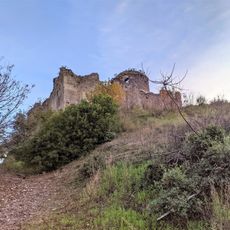
The archaeological park of Picentia in Pontecagnano Faiano contains remains of residential and public buildings arranged along street patterns from an ancient settlement. The excavations reveal how people once lived and structured their urban space.
The earliest remains at this location date back to the Copper Age, around 3500 to 2300 BC, with sanctuaries and burial grounds from that remote period. Later a Roman settlement was founded when people from the Piceni region were brought there.
The site reveals how the Picentini people lived and organized their communities through pottery and burial goods uncovered in the excavations. These objects tell us about daily crafts and the social differences that existed among them.
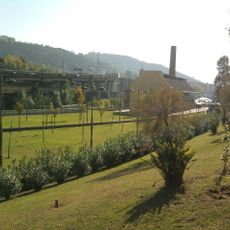
The park is situated on open terrain where conditions vary by season, so visitors should bring appropriate clothing and sun protection. The exposed landscape offers no shelter or facilities directly at the site, making advance planning helpful.
Excavations have uncovered two sanctuaries and two burial grounds from the Copper Age, revealing that this location was inhabited for thousands of years before the Romans arrived. These ancient layers lie beneath the Roman remains and are often overlooked by visitors who focus on the more visible ruins.
The community of curious travelers
AroundUs brings together thousands of curated places, local tips, and hidden gems, enriched daily by 92,623 contributors worldwide.