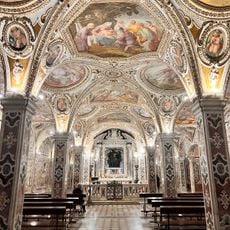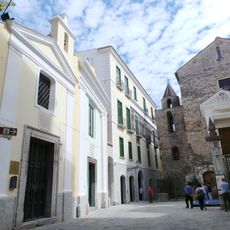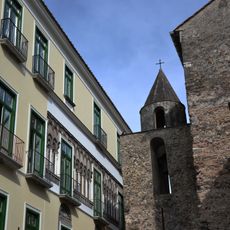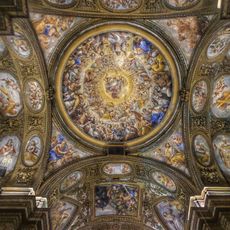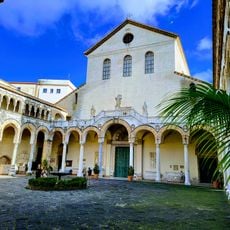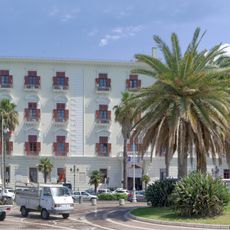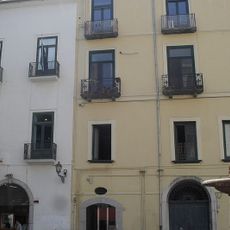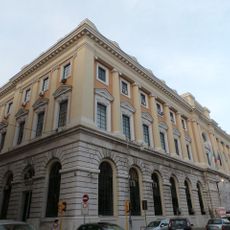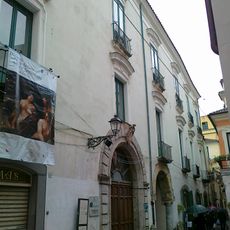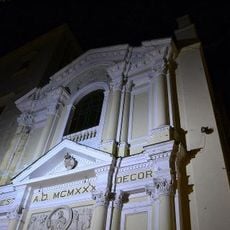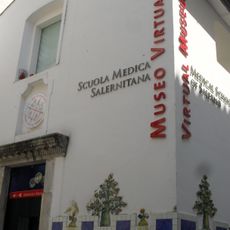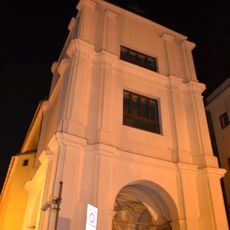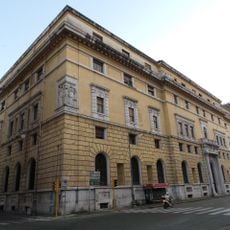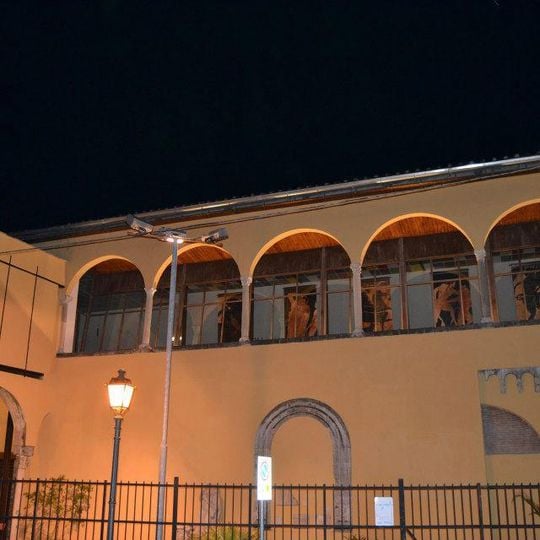
Museo archeologico provinciale di Salerno, Archaeological museum in Salerno, Italy.
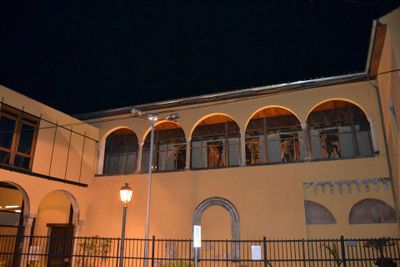
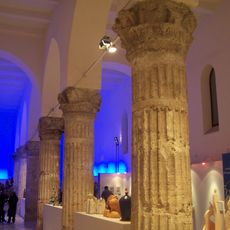
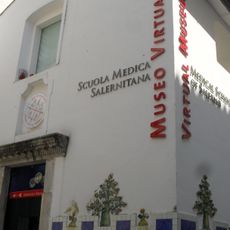
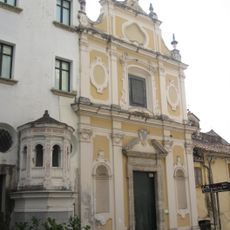
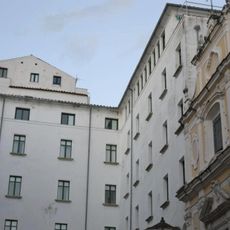
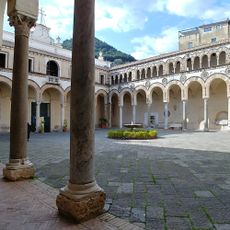
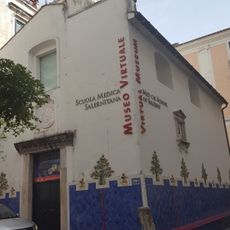
The Museo archeologico provinciale di Salerno is an archaeological museum housed in a former Benedictine monastery that displays finds from prehistoric times to the Roman era. The building is arranged across three levels: the ground floor features prehistoric materials, upper floors hold later artifacts, and an outdoor garden displays Roman sculptures.
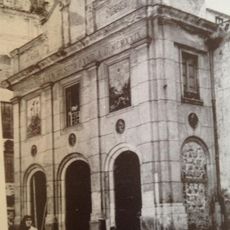
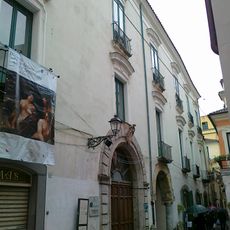
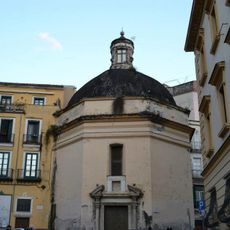
The museum was founded in 1927 and occupies a Lombard-era monastic complex with documented origins dating to 868. The building's long history reflects how this site held religious and cultural importance for many centuries before becoming a museum.
The exhibits showcase items from regional settlements and burial sites that reveal how people lived in different periods. Objects come from caves like Polla and Pertosa as well as from graves at Sala Consilina, where pottery, tools, and jewelry were unearthed.
The building spreads across multiple floors, with each level covering different time periods, making it easy to move through chronologically. The outdoor garden offers a chance to reorient yourself and view Roman works in a natural setting.
A bronze head of Apollo discovered in 1930 in the Gulf of Salerno is attributed to the ancient sculptor Pasiteles and stands as the collection's most significant work. This piece demonstrates the high artistic quality achieved in the region during classical times.
The community of curious travelers
AroundUs brings together thousands of curated places, local tips, and hidden gems, enriched daily by 92,668 contributors worldwide.