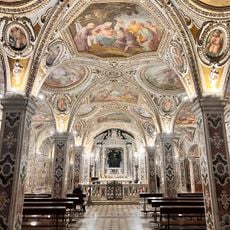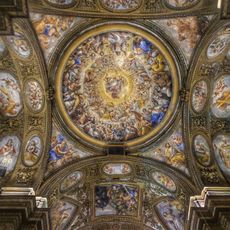
Diocesan Museum of Salerno, Religious art museum in historic center, Salerno, Italy
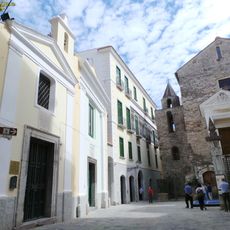
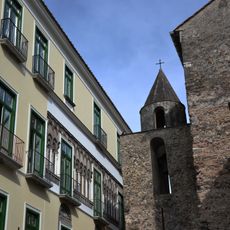
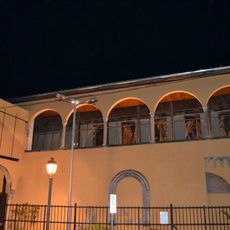
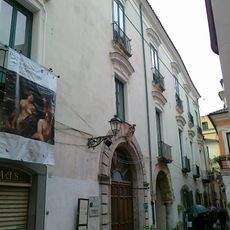
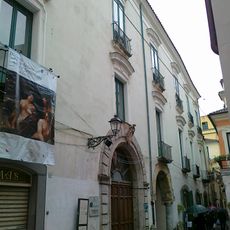
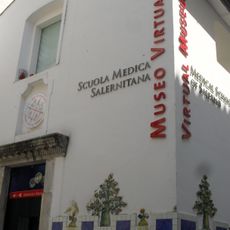
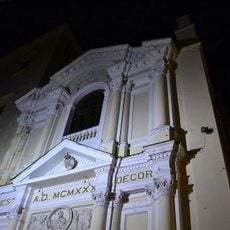
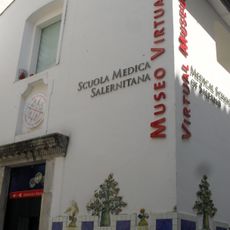
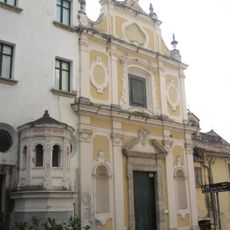
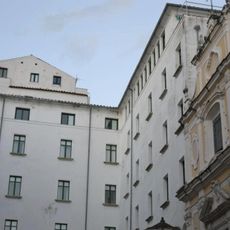
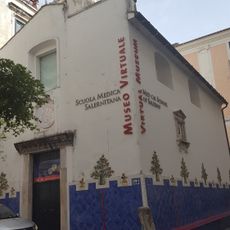
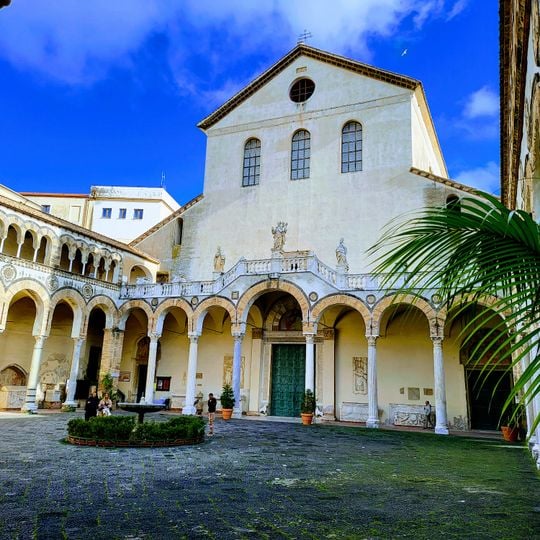
The Diocesan Museum of Salerno occupies the former archiepiscopal seminary palace north of the cathedral, whose present facade and raised second floor date from Archbishop Lupoli's works of 1832. The building had earlier housed the last seat of the Schola Medica Salernitana, suppressed in 1811. Since 1990 the museum, library and diocesan archive share the restored rooms, displaying southern Italian art from the Middle Ages to the 18th century.
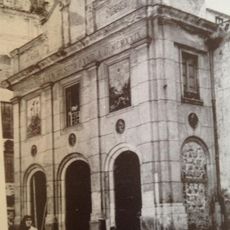
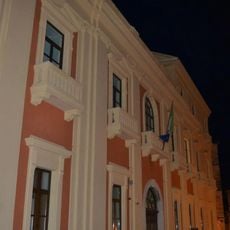
The seminary building was founded by Archbishop Gaspare Cervantes after the Council of Trent on 15 July 1563, north of the cathedral, and was remodeled in 1832 by Archbishop Lupoli, who added a floor and rebuilt the facade. The museum was established in 1935 by Monsignor Arturo Capone to display works hidden in the cathedral sacristy and Treasure Chapel, and moved to the former seminary in 1990. It reopened permanently in 2012.
The museum is named after San Matteo, patron saint of Salerno, and its ivory cycle was first recorded in a 1575 pastoral visitation, when the tablets lay in the drawers of the Cathedral's Treasure Chapel. In the 18th century some were reused as a paliotto for the new altar there. Between the 19th century and the last war, several of the finest panels were requisitioned by collectors or occupying armies and are now divided among London, New York, Paris (Louvre) and Budapest.
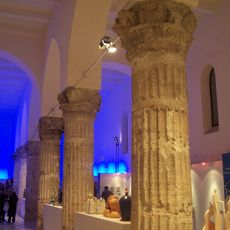
The museum occupies the former archiepiscopal seminary north of Salerno Cathedral, together with the diocesan library and archive. The building was restored after the 1980 earthquake and the museum reopened permanently in 2012. Look for the ivory plaques in the first room, cited in a 1575 pastoral visitation.
The ivory cycle in the first room was first recorded in a 1575 pastoral visitation, when some tablets lay in drawers of the Treasure Chapel and others formed a cona. Between the 19th century and the last war, several of the finest panels were taken by collectors or occupying armies; they are now divided between London, New York, Paris (Louvre) and Budapest.
The community of curious travelers
AroundUs brings together thousands of curated places, local tips, and hidden gems, enriched daily by 94,671 contributors worldwide.