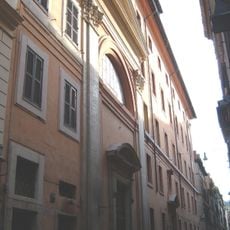
Anfiteatro Correa, Bullfighting amphitheatre in Rome, Italy
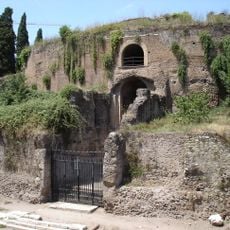
Anfiteatro Correa was an amphitheater in Rome situated around the Mausoleum of Augustus and equipped with a circular arena built from wooden structures for performances. The venue held between one thousand and three thousand spectators, and later featured a protective roof to shield audiences from bad weather.
Portuguese Marquis Vincenzo Mani Correa founded this entertainment venue in 1780 as an arena for various performances. The building was demolished in 1936 during Mussolini's regime, and the site subsequently made way for restoration work around the Mausoleum of Augustus.
The venue hosted diverse entertainment forms, from animal shows and circus acts to musical performances by the Accademia di Santa Cecilia. This range reveals how the space adapted to changing audience interests over time.
The location is no longer accessible in its original form, as it was demolished in 1936 and the area today is part of the urban fabric around the Mausoleum of Augustus. Visitors can trace the history of the former venue through archaeological information and historical sources available in local museums and historical documentation.
The Anfiteatro Correa was built inside the Mausoleum of Augustus, whose name comes from the emperor buried there in 14 AD. The Roman dialect dropped the doubled "r" from the Correa family name, turning it into "Corea"; via del Corea, between via della Frezza and piazza Augusto Imperatore, still carries the name. In 1859 the arena hosted one of Rome's first hot-air balloon flights.
The community of curious travelers
AroundUs brings together thousands of curated places, local tips, and hidden gems, enriched daily by 93,757 contributors worldwide.