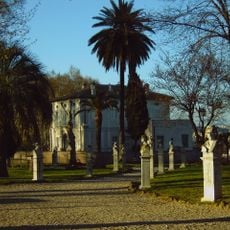
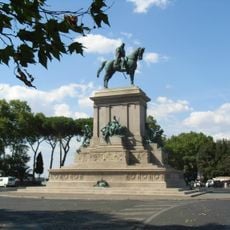
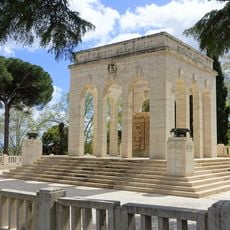
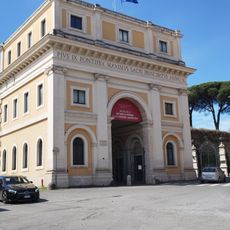
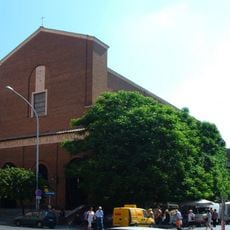
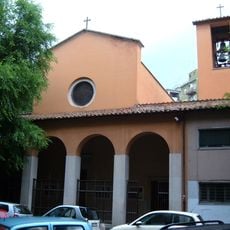
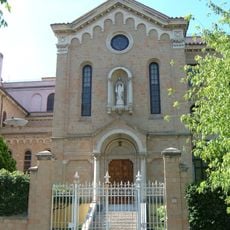
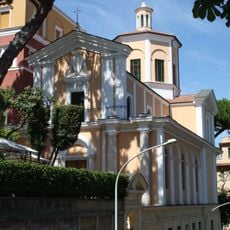
Catacomb of San Pancrazio, Early Christian catacombs near Via Aurelia, Rome, Italy.
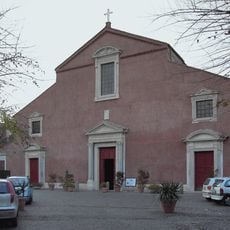
The Catacomb of San Pancrazio lies beneath the Basilica of San Pancrazio on Piazza San Pancrazio in Rome's Gianicolense district. Its tunnels are mostly destroyed, so visits are short. The underground cemetery is divided into three regions: one below the basilica's left transept, one under the square in front, and one under the convent. In the second region are the cubicles of Botrys, Saint Felix, and Saint Sophia.
The site became known after the burial of a 14-year-old martyr in 304, who maintained his faith despite persecution. The catacomb subsequently developed into an important location for the early Christian community in Rome.
The walls display early Christian symbols and names of the buried, showing how the first Christians honored their faithful. These inscriptions offer insight into beliefs and practices from the first centuries of the faith.
Access is by guided tour only, with visitors led through the underground passages by experienced guides. The corridors are narrow and dimly lit, so wear comfortable shoes and be prepared to move carefully through the spaces.
The catacomb is also called "of Ottavilla", after the matron who buried Pancras, but it was not named after her: the name comes from the martyr. Ottavilla found his body and head on the Via Aurelia on 12 May 304 and wrapped them in precious linen. In the cubicle of Botrys, a headstone has the deceased call himself christianós, a rare word in Christian cemeteries.
The community of curious travelers
AroundUs brings together thousands of curated places, local tips, and hidden gems, enriched daily by 93,310 contributors worldwide.