Tempietto, Renaissance shrine on the Janiculum, Rome, Italy
The Tempietto is a circular structure with sixteen granite columns surrounding a central chamber, topped with a dome and classical decorative details. This small shrine measures roughly 15 feet (4.5 meters) across and was designed as a shrine at a sacred location.
Spanish monarchs Ferdinand and Isabella commissioned architect Donato Bramante to design this structure between 1502 and 1510 at the site where Saint Peter was martyred. The construction became a turning point in Renaissance architecture, shaping design ideals for decades to come.
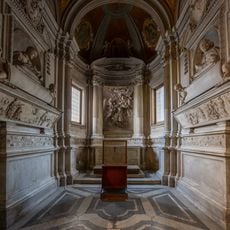
The building is a martyrium: a circular crypt beneath the altar marks where Saint Peter's cross was believed to have been planted. Its 48 metopes carry papal symbols — the keys of Saint Peter, the tiara, the chalice and the paten — and four deep shell-topped niches hold statues of the Evangelists. A statue of Saint Peter by an anonymous Lombard sculptor stands on the altar.
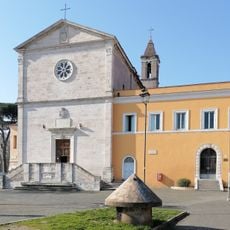
The structure sits on Gianicolo Hill near the San Pietro in Montorio church and can be reached through the courtyard of the Spanish Royal Academy. The site is open to visitors on foot, though parking options nearby are limited.
The circular crypt beneath the altar, reached by exterior stairs added in the 17th century, was long thought to be the Tropeion Petri, the monument mentioned in 2nd-century testimony as marking Saint Peter's burial or martyrdom. Its centre set the axis of the whole building. The dome was raised slightly and its lantern altered in the same century.
The community of curious travelers
AroundUs brings together thousands of curated places, local tips, and hidden gems, enriched daily by 93,170 contributors worldwide.