Forte Longone, Spanish coastal fort in Porto Azzurro, Italy
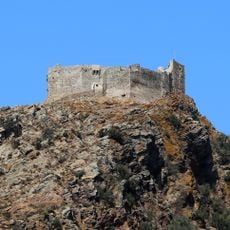
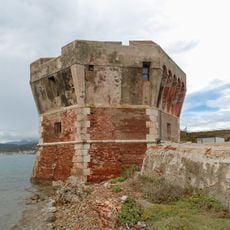
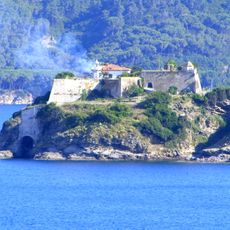
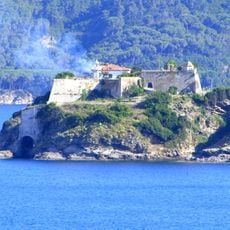
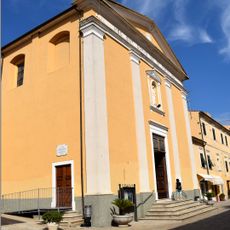
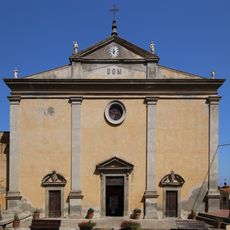
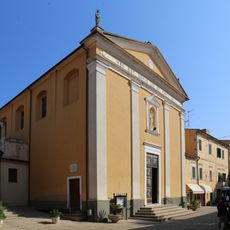
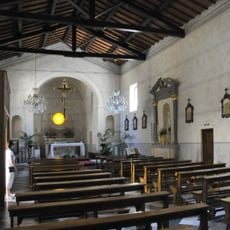
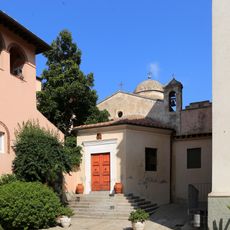
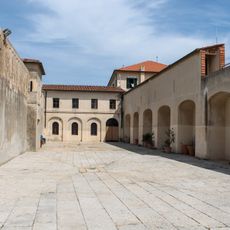
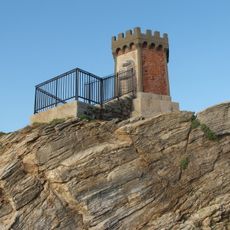
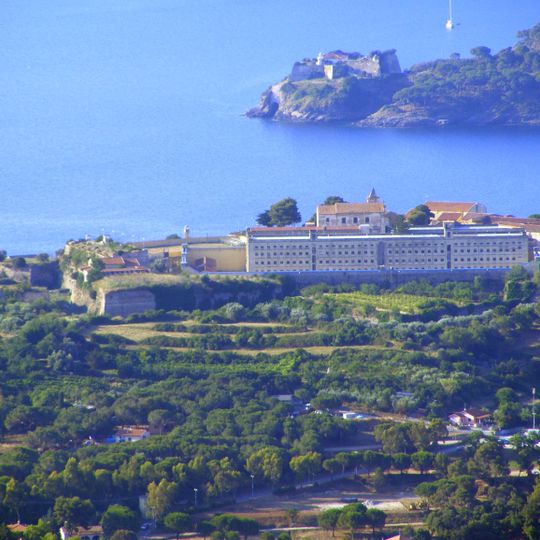
Forte Longone is a coastal fortification with an irregular star-shaped plan, built on the promontory overlooking the bay of Porto Azzurro. Its outer walls, partly brick and partly stone, rest on massive battered bases and were once flanked by dry moats on the landward sides. Inside are the governor's palace, three powder magazines, an armoury, garrison quarters, warehouses, a hospital, a windmill, the Baroque church of San Giacomo Maggiore and the chapel of Santa Barbara.
The fortress was built starting in 1603 under Spanish rule to strengthen the Estado de los Presidios defense system on Elba's eastern coast. It was later converted into a prison, a function it has maintained to the present day.
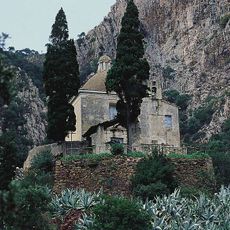
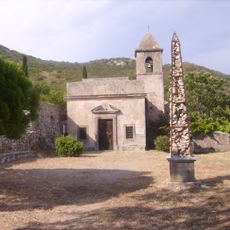
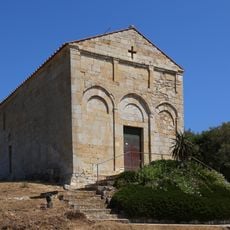
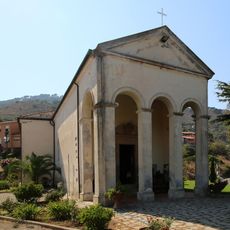
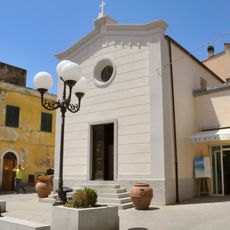
Inside the walls, the Spanish builders erected the Baroque church of San Giacomo Maggiore and, on the parade ground, the chapel of Santa Barbara, patron saint of artillerymen and miners. The chapel served the garrison, while the larger church stood among the governor's palace, three powder magazines, an armoury, barracks, storerooms, a hospital and a windmill.
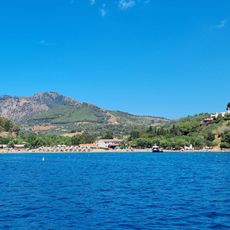
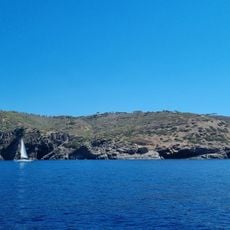
The fort sits on the promontory above Porto Azzurro's harbour bay, facing the Piombino channel and the Forte Focardo at Capoliveri. It has been a prison since the mid-19th century and still serves that function, so the interior is not open to visitors; the outer walls, escarpments and star-shaped plan are what can be seen from outside.
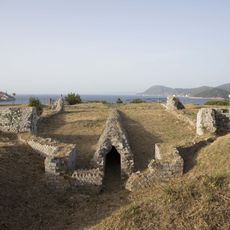
The fort's original name, Forte San Giacomo, honoured the Baroque church of San Giacomo Maggiore built inside the walls; in the 17th century it was also called Forte Benaventano after Juan Alonso Pimentel de Herrera, Count of Benavente, who supervised construction. The star-shaped enceinte was originally ringed by dry moats on its landward sides.
The community of curious travelers
AroundUs brings together thousands of curated places, local tips, and hidden gems, enriched daily by 93,043 contributors worldwide.