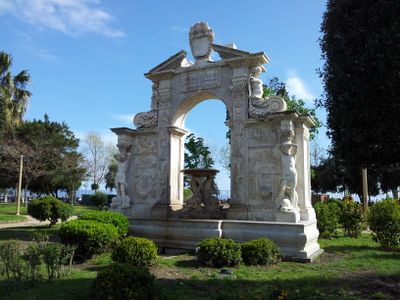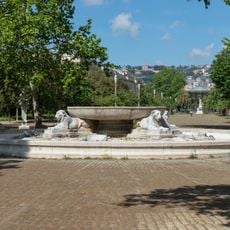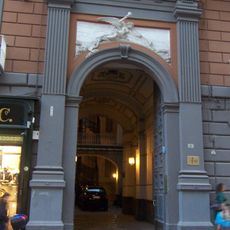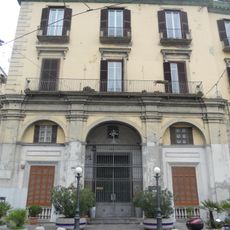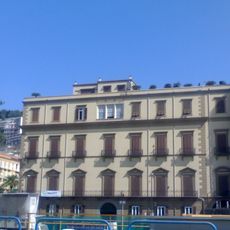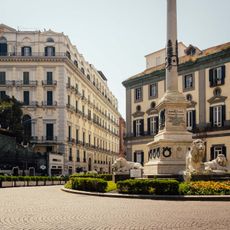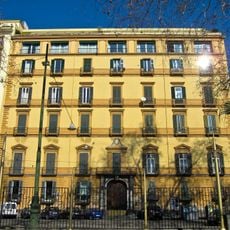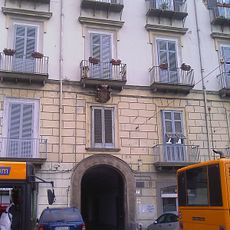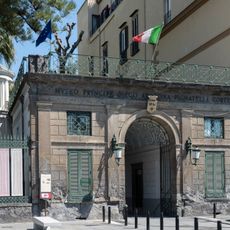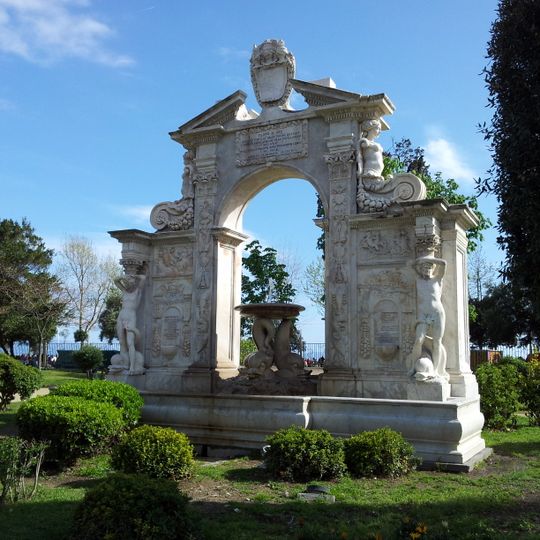
Fontana di Santa Lucia, Baroque fountain in Santa Lucia district, Naples, Italy
The Fontana di Santa Lucia is a fountain featuring ornate sculptures and a water basin positioned at the junction of three major streets in Naples. The structure consists of multiple tiers adorned with carved details and water elements that create a focal point within the urban landscape.
The fountain was built in 1606 and demonstrates the engineering skill of early 17th-century Naples through its connection to ancient water supply networks. Its design reflects the efforts to provide the city with clean water while creating a structure of artistic quality.
The fountain marks the heart of the Santa Lucia neighborhood, where locals and visitors naturally converge to spend time and connect with one another. Its water and sculptural details make it a focal gathering point where the rhythm of daily neighborhood life unfolds.
The fountain sits within the narrow streets of the Santa Lucia district and is easily accessible by public transportation. Visit during early morning or late afternoon hours to experience the area with fewer crowds and better opportunities for viewing and photography.
The fountain stands near the sea and marks a boundary zone where the city transitions into the coastal landscape. This proximity to the water shapes the location and its use in subtle ways that visitors often overlook at first glance.
Location: Napoli
Inception: 1606
GPS coordinates: 40.83246,14.23713
Latest update: December 6, 2025 17:46
Italian historic fountains demonstrate five centuries of craftsmanship in sculpture, hydraulic engineering, and urban design. From the 15th to the 19th century, Italian artisans shaped marble, bronze, and stone to create works combining practicality and artistic expression. These fountains tell stories from classical mythology, such as Neptune and marine deities, or from the Bible, like Moses drawing water from the rock. They also celebrate the political power of great families and the identity of Italian cities. In Rome, the Trevi Fountain extends 86 feet (26 meters) high with baroque sculptures, while Bernini's Fountain of the Four Rivers symbolizes continents on Piazza Navona. In Florence, Neptune sits above the Piazza della Signoria, recalling the Medici family's maritime ambitions. The gardens of Villa d'Este in Tivoli feature 51 fountains spread across multiple terraces, showcasing Renaissance hydraulic mastery. These works reveal how water has shaped Italy’s architecture and urban life, from papal Rome to squares in Palermo and Siena.
Villa Pignatelli
409 m
Stazione Zoologica Anton Dohrn
117 m
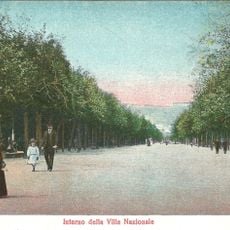
Villa Comunale
419 m
Palazzo d'Avalos del Vasto
496 m
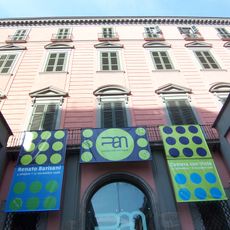
Museo PAN
482 m
Palazzo Caravita di Sirignano
393 m
Palazzo Calabritto (Napoli)
420 m
San Pasquale a Chiaia
224 m
Anglican church
304 m
Chiesa dell'Ascensione a Chiaia (Chiaia, Naples, Italy)
480 m
Palazzo Caracciolo di San Teodoro
258 m
Palazzo Ischitella
184 m
Palazzo Partanna
420 m
Fontana della Tazza di Porfido
66 m
Palazzo Scarpetta
482 m
Santa Maria della Vittoria
416 m
Palazzo Ruffo della Scaletta
315 m
Palazzo Nunziante
477 m
Palazzo Pignatelli di Strongoli
121 m
Luterana
356 m
Palazzo Ravaschieri di Satriano
325 m
Musée des Carrosses de Naples
484 m
Palazzo Cioffi
129 m
Palazzo Statella
394 m
DaDoM - Museo Darwin Dohrn
285 m
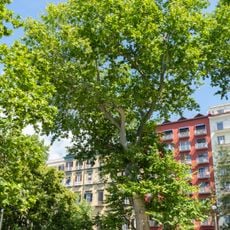
Platano orientale
102 m
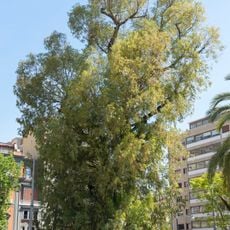
Eucalitto rostrato
189 m
Museo Diego Aragona Pignatelli Cortes e Museo delle Carrozze
322 mVisited this place? Tap the stars to rate it and share your experience / photos with the community! Try now! You can cancel it anytime.
Discover hidden gems everywhere you go!
From secret cafés to breathtaking viewpoints, skip the crowded tourist spots and find places that match your style. Our app makes it easy with voice search, smart filtering, route optimization, and insider tips from travelers worldwide. Download now for the complete mobile experience.
A unique approach to discovering new places❞
— Le Figaro
All the places worth exploring❞
— France Info
A tailor-made excursion in just a few clicks❞
— 20 Minutes