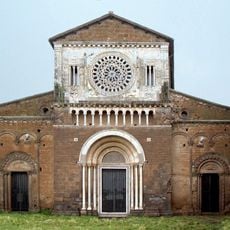
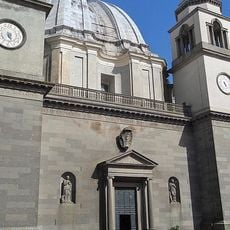
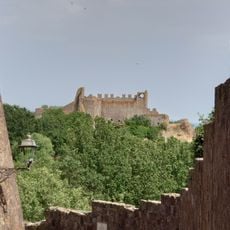
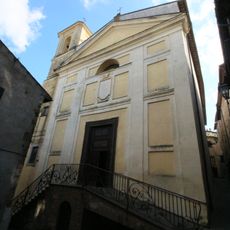
Mura di Tuscania, Medieval city walls in Tuscania, Italy
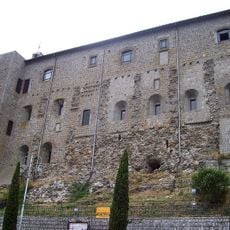
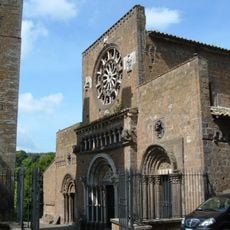
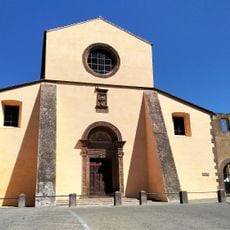
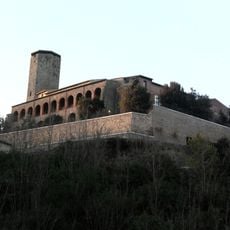
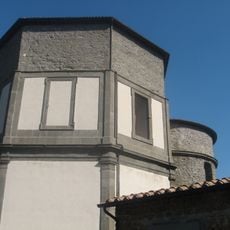
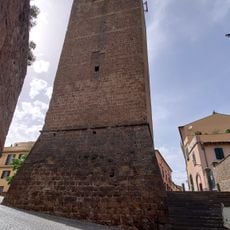
Mura di Tuscania form an irregular polygonal circuit around the medieval core, reaching the remains of the earlier Etruscan ring in the south-east. The medieval curtains are built of tuff ashlars, with some stretches topped by merlons near the old castle. Surviving watchtowers include the Torre di San Marco by the gate of the same name and the ruins of the Castello del Rivellino; medieval towers are square in plan, later ones semicircular or circular.
The fortification started as an Etruscan settlement wall and underwent multiple expansions and reinforcements from the Medieval period until around 1500. Each construction phase left marks visible in the varying stone techniques that remain visible in the walls today.
The walls show how residents needed protection during the Middle Ages and how the two main gates shaped daily movement through the city. These entrances controlled who entered and left, and they remain central to how people experience the historic center today.
The walls can be explored on marked walking paths that link different sections and offer views of the city and surrounding landscape. Early morning visits work well for seeing details and avoiding crowds along the routes.
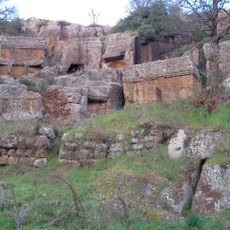
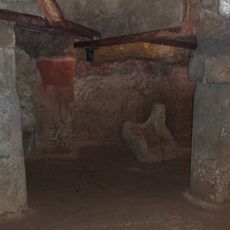
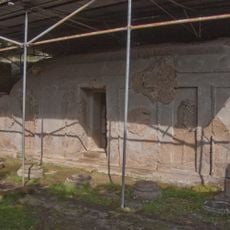
The Etruscan remains near Santa Maria Maggiore and San Pietro take the form of polygonal blocks of tufa, a masonry style typical of the late Etruscan period. The medieval curtain walls were also built in tufa ashlars, so the two phases share the same local stone.
The community of curious travelers
AroundUs brings together thousands of curated places, local tips, and hidden gems, enriched daily by 94,008 contributors worldwide.