Palazzo San Sebastiano, Renaissance museum in Mantua, Italy
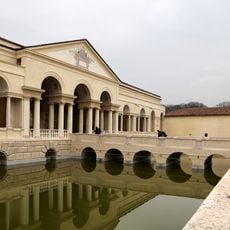
Palazzo San Sebastiano is a 16th-century Gonzaga palace in Mantua, built between 1506 and 1508 for Francesco II Gonzaga and directed by Gerolamo Arcari and Bernardino Ghisolfo. Since 19 March 2005 it has housed the city museum, now called MACA - Mantova Collezioni Antiche, with seven thematic sections across three floors. The restored Loggia dei marmi and the frescoed Camera del Crogiuolo, Camera delle Frecce and Camera del Sole are open to visitors.
The palace was built between 1506 and 1508 under Francesco II Gonzaga's orders and served as the family's principal residence. Over the centuries, it passed through different uses before becoming a museum.
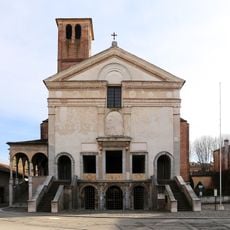
The palace's name comes from the nearby church of San Sebastiano, and its ground-floor Loggia dei marmi and the Sala del Porcospino and Sala del Crogiolo now hold the museum's first sections on Francesco II Gonzaga and the building itself. In the upper hall once hung Mantegna's nine canvases of the Triumphs of Caesar, later moved to Hampton Court near London.
The museum occupies the palace's ground-floor Loggia dei marmi and Sala del Porcospino, with further sections on the first and second floors, so allow time for stairs. Some rooms were damaged in the 2012 Emilia earthquakes. The palace stands in Mantua's historic centre, reachable on foot from the main streets.
A major Renaissance artwork that once hung here is now in a British collection and remains one of Mantegna's most celebrated paintings. Its absence reminds visitors of how artworks traveled across Europe over the centuries.
The community of curious travelers
AroundUs brings together thousands of curated places, local tips, and hidden gems, enriched daily by 94,461 contributors worldwide.