Museo Etnografico Podenzana e Museo Diocesano, museum in Italy
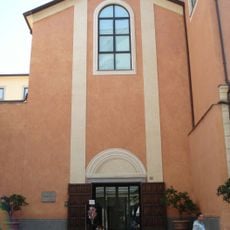
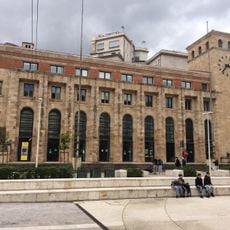
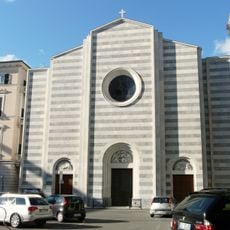
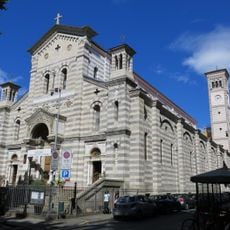
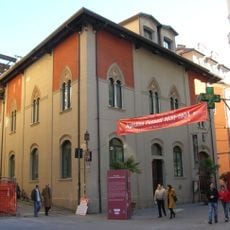
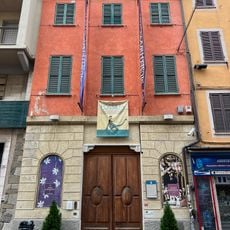
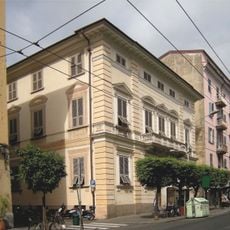
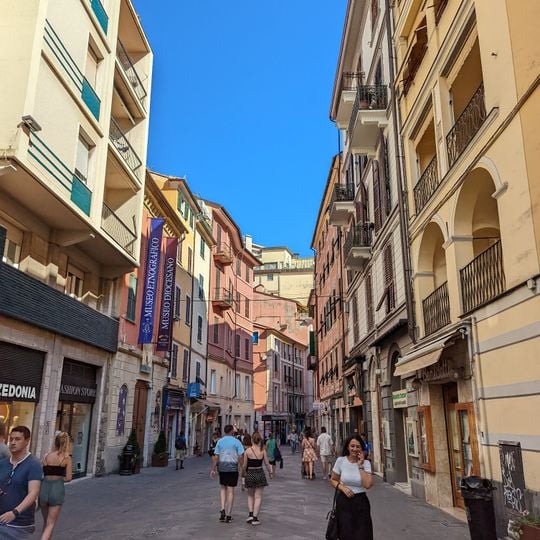
The Museo Etnografico Podenzana e Museo Diocesano is a museum in La Spezia housed in a former 15th-century oratory that displays both ethnographic objects and religious artworks. The collections include work tools, traditional clothing, household items, and liturgical objects that document daily life and faith in the region across many centuries.
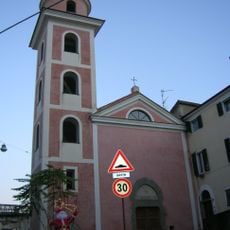
The museum occupies the 15th-century Oratory of San Bernardino, suppressed under Napoleon's reforms and later used by the city's Pubblica Assistenza. The diocese itself began at Luni, moved to Sarzana in 1204, lost territory to Brugnato in 1133, and only in 1929 transferred its seat to La Spezia. The building was recovered for exhibitions as part of the joint museum programme of La Spezia, Sarzana and Brugnato.
The museum is named after Giovanni Podenzana, a musician and passionate collector who documented local customs and crafts from La Spezia. His dedication to preserving regional traditions shapes how visitors today experience the everyday objects and religious items that reflect how people lived in this area.
The museum is easy to access and fully wheelchair accessible, so visitors with different mobility needs can explore the exhibits comfortably. The rooms are clearly organized and invite you to walk through the different collections at your own pace.
The museum's name links two collections: the diocesan one in the former Oratory of San Bernardino and the ethnographic Podenzana collection. Among the diocesan pieces, the Madonna by Jacopo Spinolotto, the first known painter from La Spezia, was stolen from the Pieve di San Venerio in 1974, found again in 2007 and returned on 14 June 2008.
The community of curious travelers
AroundUs brings together thousands of curated places, local tips, and hidden gems, enriched daily by 92,857 contributors worldwide.