Palazzo Avena, Palace in Vomero, Naples, Italy
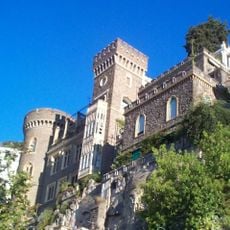
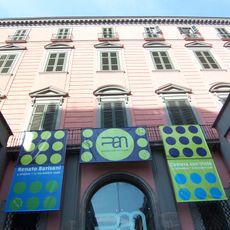
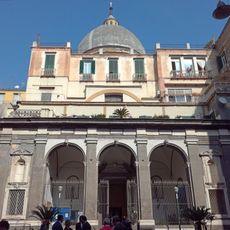
Palazzo Avena stands at the Vomero hill between Piazza Fuga and Via Lordi. Adolfo Avena rebuilt it in 1927–1928, keeping only the portal of the 18th-century Villa Ruffo; the rest is eclectic with Liberty-style grafts. The facade on Via Lordi recalls northern European architectural avant-gardes.
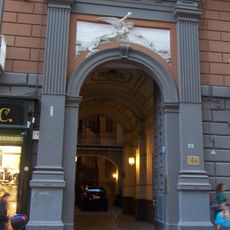
The building began as the entrance facade of the 18th-century Villa Ruffo, also called Villa Palazzolo or Villa Haas. Cardinal Ruffo bought the villa from minister Donato Tommasi to live there; after his death his nephews sold it to the princess of Palazzolo, whose descendants sold it to the brothers Enrico and Clemente Haas. Between 1927 and 1928 Adolfo Avena rebuilt it for High Commissioner Gustavo Giovannoni, keeping the portal.
The name Avena comes from the architect Adolfo Avena, who rebuilt the palace in 1927–1928; the earlier villa was called Ruffo, Palazzolo or Haas after its owners. Cardinal Ruffo bought the 18th-century villa from minister Donato Tommasi to live in; his nephews later sold it to the princess of Palazzolo, whose descendants sold it to the brothers Enrico and Clemente Haas.
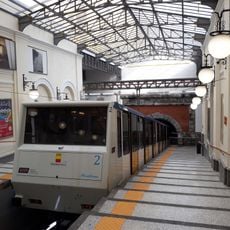
Palazzo Avena stands between Piazza Fuga and Via Lordi in the Vomero hill district, at the top of the Central Funicular line inaugurated in 1928. The preserved portal of the old villa marks the entrance; the rebuilt facade on Via Lordi is best seen from the street.
The entrance portal is the one surviving piece of the 18th-century Villa Ruffo, kept by Adolfo Avena when he rebuilt the rest between 1927 and 1928. The facade on Via Lordi, raised in a style close to northern European architectural avant-gardes, is the element visitors tend to miss from Piazza Fuga.
The community of curious travelers
AroundUs brings together thousands of curated places, local tips, and hidden gems, enriched daily by 94,457 contributors worldwide.