Palazzo della Zecca vecchia, Renaissance palazzo in Rome, Italy
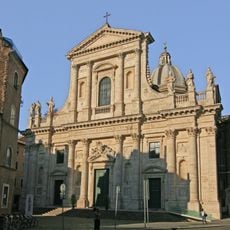
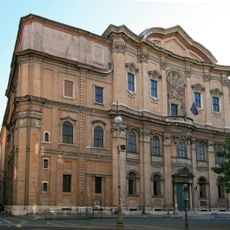
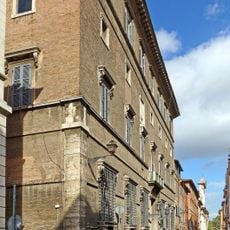
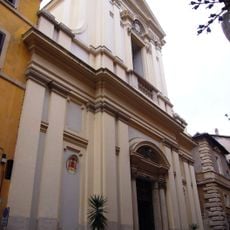
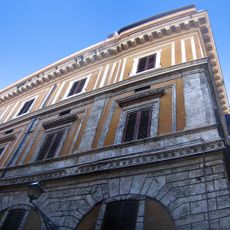
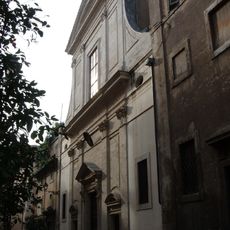
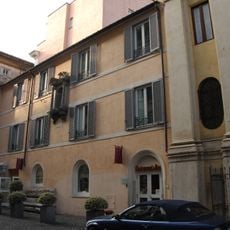
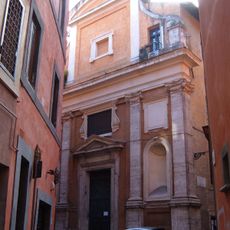
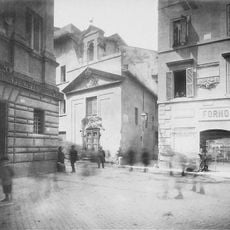
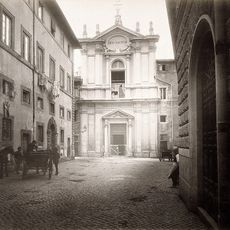
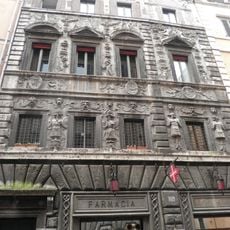
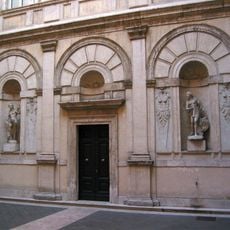
Palazzo della Zecca vecchia is a Renaissance building in Rome featuring two stories with architectural details typical of 16th-century Roman design. The structure displays the clear, orderly approach to building characteristic of that era.
Built in the early 16th century, the building served as a papal mint producing silver coins for the church. Production stopped in 1541 when the mint operation relocated to a different location.
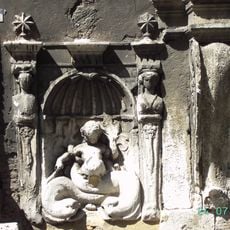
The building's name recalls its double life: papal mint, then bank. Coins struck here included the silver giulii, worth a tenth of a gold ducat, and some pieces and medals were the work of Benvenuto Cellini. The facade still carries the lion's head and the hospital's coat of arms over the great arch.
The palazzo stands on Via del Banco di Santo Spirito in the Ponte district, near the Tiber and a short walk from Castel Sant'Angelo. The concave facade and its statues of Charity and Abundance are best seen from the street; the ground floor houses a UniCredit branch, so the interior is not open for touring.
The slightly concave facade completed in 1524 caused a stir by anticipating solutions later typical of the Baroque. On the cornice stand statues of Charity and Abundance, with the coat of arms of Paul V, founder of the Banco, at the centre.
The community of curious travelers
AroundUs brings together thousands of curated places, local tips, and hidden gems, enriched daily by 92,936 contributors worldwide.