San Biagio della Pagnotta, Armenian national church in Via Giulia, Rome, Italy
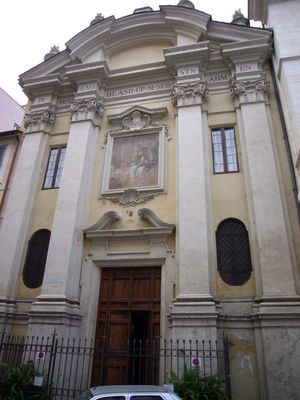
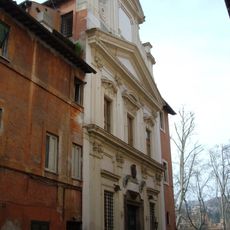
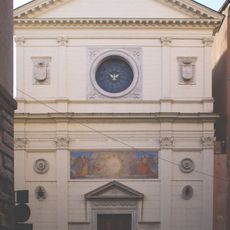
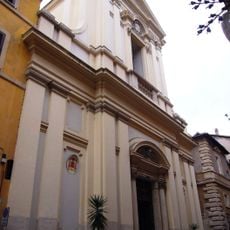
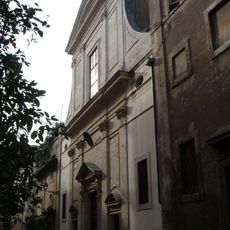
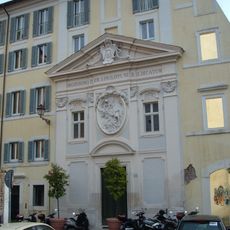
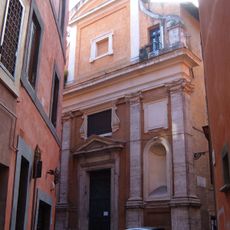
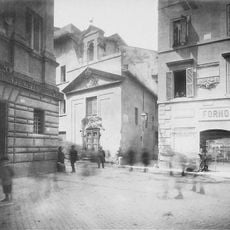
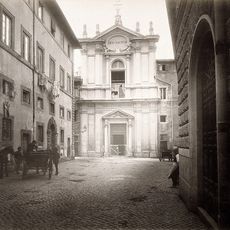
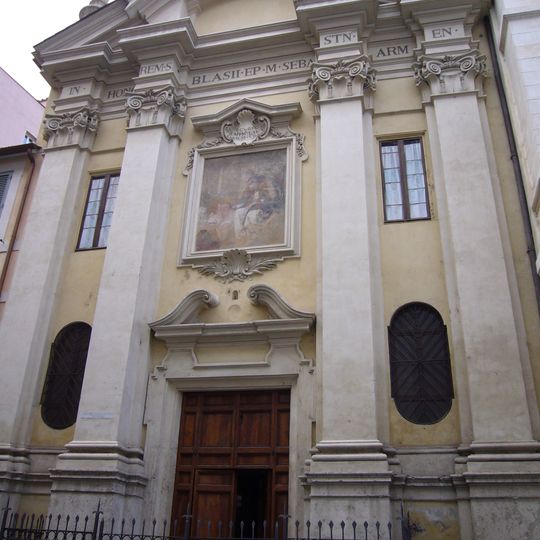
San Biagio della Pagnotta is an Armenian national church located on Via Giulia in Rome. The front features a single-story design with four columns flanking the entrance and displays a fresco of Saint Blaise painted above the door.
The building has origins reaching back before the 10th century. It underwent major reconstruction in 1072 under Pope Alexander II, directed by Domenico, the abbot of the attached monastery.
The name Pagnotta emerged in the 16th century from a local custom of distributing blessed bread rolls to the faithful during Saint Blaise's feast day. This practice became so closely associated with the place that it shaped the church's identity and remains embedded in its name today.
The church sits on a bustling street in the historic center but is easy to locate and accessible from outside. Visiting in the early morning or late afternoon tends to work best, as these are the most reliable times to find the place open.
The church holds a remarkable relic: a fragment from Saint Blaise's throat that is displayed at the entrance during his feast day on February 3rd. This rare sacred object makes the place especially meaningful for pilgrims and the faithful.
The community of curious travelers
AroundUs brings together thousands of curated places, local tips, and hidden gems, enriched daily by 91,612 contributors worldwide.