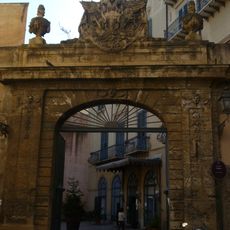
Porta dei Greci, City gate in La Kalsa, Palermo, Italy
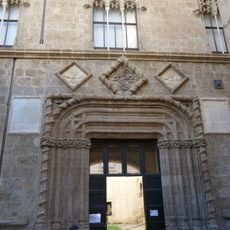
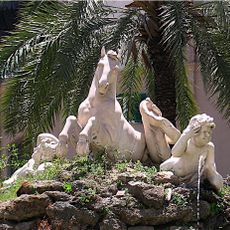
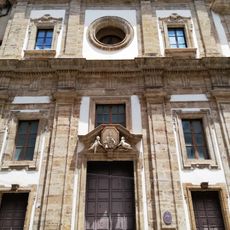
Porta dei Greci is a city gate on Piazza Kalsa, between the bastions of Tuono and Vega, facing the Foro Italico. It was rebuilt in 1553 to a design by the royal engineer Pedro Prado, modelled on the Porta di Castro. The seaward side has rusticated stonework, columns with capitals, and an architrave with garlands of flowers and fruit and reclining human figures; the inner side is almost bare of decoration.
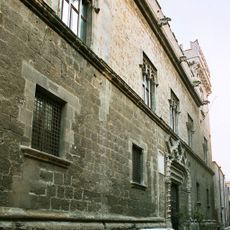
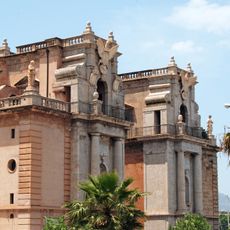
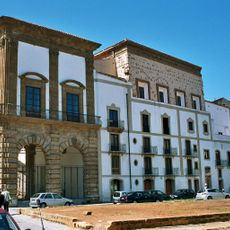
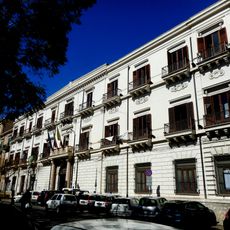
The gate was first built in the 14th century near the church of San Nicolò dei Greci, destroyed, and rebuilt in 1553 to a design by royal engineer Pedro Prado under viceroy Giovanni de Vega. In 1316 it withstood an assault by Robert of Anjou's army, and in 1325 Charles of Anjou led fighting at this gate. Its bastions were demolished in 1754 and 1783, and around 1840 Palazzo Forcella De Seta was built above it.
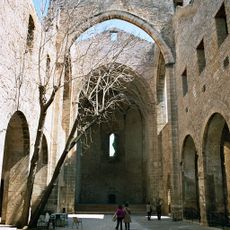
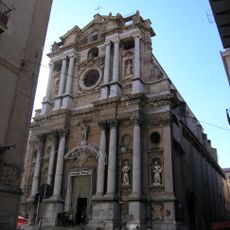
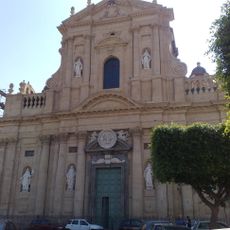
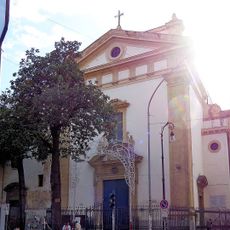
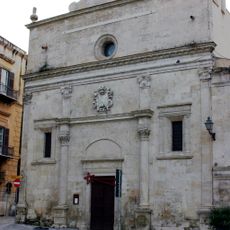
The gate and the nearby church of San Nicolò dei Greci take their name from the Eastern merchants, mostly Albanians and people from the Near East, who lived around today's Piazza Kalsa near the sea and port. The church was popularly called San Nicolò la Carruba.
The gate sits within the La Kalsa neighborhood and is straightforward to locate. The area around it has numerous restaurants and cafes where you can stop to eat or drink.
The gate was also called Porta Vega or Porta d'Africa, after viceroy Giovanni de Vega's 1550 campaign against Dragut. Its iron doors, taken as war booty from the captured Tunisian city, were installed in 1556. The commemorative verses the Palermo Senate commissioned from Antonio Veneziano, along with the eagle of the city, are no longer there.
The community of curious travelers
AroundUs brings together thousands of curated places, local tips, and hidden gems, enriched daily by 92,785 contributors worldwide.