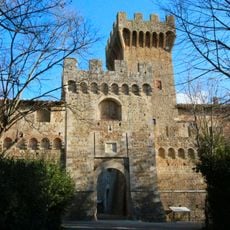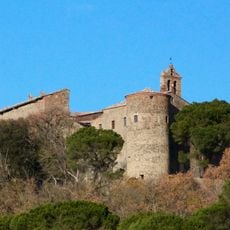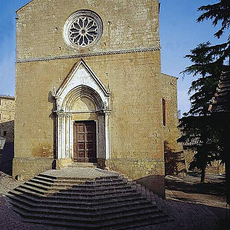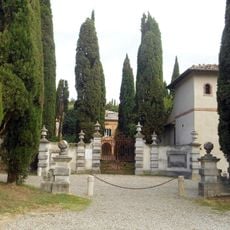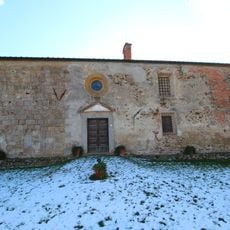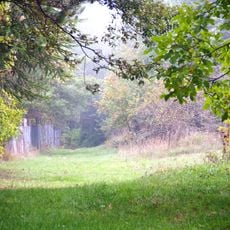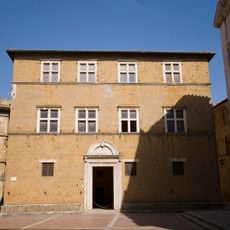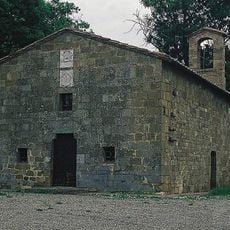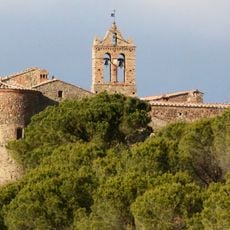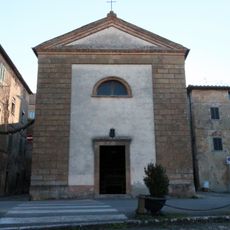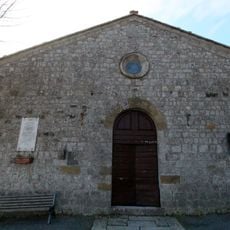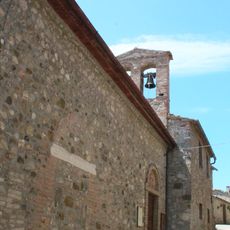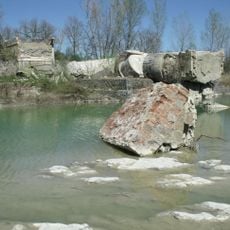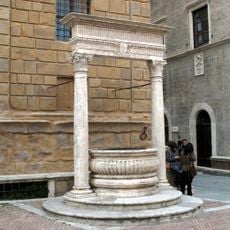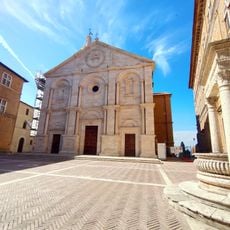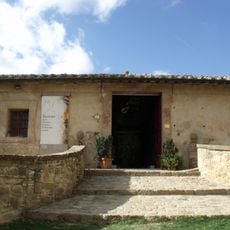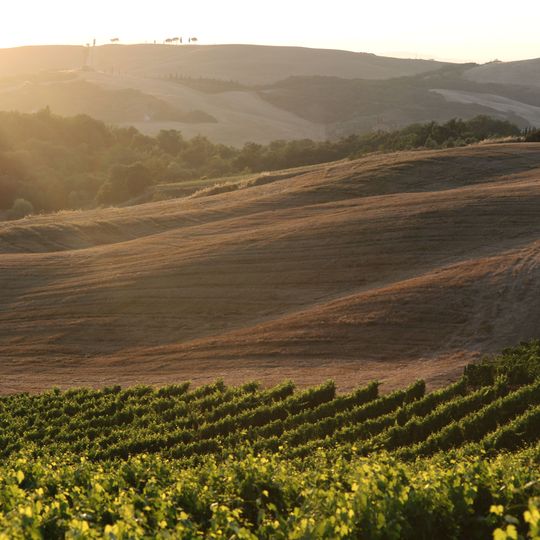
Riserva naturale di Lucciolabella, Natural reserve in Castiglione d'Orcia, Italy.
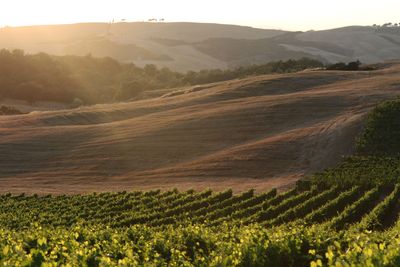
Riserva naturale di Lucciolabella is a protected reserve near the Orcia River, spanning roughly 1150 hectares of land marked by clay formations, deep gullies, and white dome-shaped hills called biancane. The area offers marked hiking trails that allow visitors to move through the natural landscape.
The area was shaped millions of years ago by a prehistoric sea that left behind clay layers filled with fossils. This geological history remains visible today in the deposits and rock formations that characterize the reserve.
The landscape forms part of the UNESCO World Heritage site Val d'Orcia and shows how people have shaped nature since the Renaissance period. Visitors can see traces of this historical relationship between humans and the land in the gentle hills and valleys today.
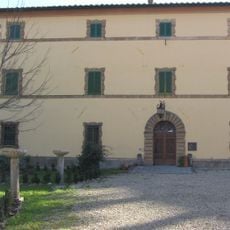
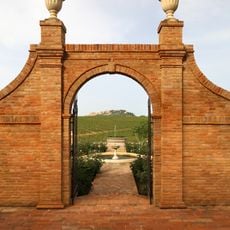
The reserve lies southeast of Pienza, in the municipality of Castiglione d'Orcia, and is crossed by the Orcia River, which rises on Monte Cetona a few kilometres east. The clay calanchi and biancane are soft and slippery after rain, so walking them calls for sturdy footwear. The Lucciola Bella farm, now an agriturismo, stands above the clay hills and looks toward Monte Cetona, Monte Amiata, Monticchiello, Pienza, Radicofani and Castiglione d'Orcia.
The Stenella fossil found here in 2003 is the most complete specimen of its species known anywhere in the world, which is why scholars rate it highly for its scientific value. The animal, a marine mammal resembling a dolphin, lived over 4.5 million years ago during the Pliocene, when the seabed of the Tyrrhenian Sea lay beneath today's clay gullies.
The community of curious travelers
AroundUs brings together thousands of curated places, local tips, and hidden gems, enriched daily by 94,671 contributors worldwide.