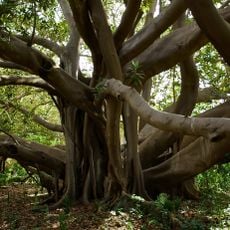
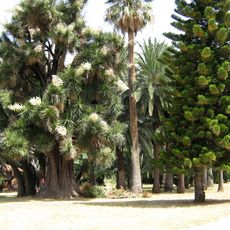
Villa Sperlinga, 17th-century villa and garden in Palermo, Italy.
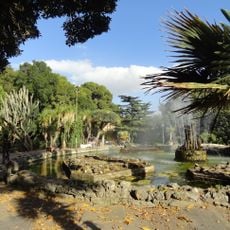
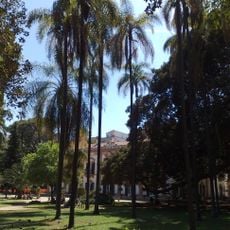
Villa Sperlinga is a public garden in Palermo's Libertà district, created in 1667 as the hunting reserve of Giovanni Stefano Oneto, duke of Sperlinga. The current garden, smaller than the original estate, lies along viale Boris Giuliano opposite piazza Unità d'Italia and holds three sculptures by Vittorio Gentile: "Amanti come genesi di forma verticale", "Ipotesi di forma orizzontale" and "Grande torso". Next to it stands Torre Sperlinga, the city's fifth-tallest building.
The property was built in 1667 as a hunting reserve for Duke Giovanni Stefano Oneto of Sperlinga. By 1835 it had been converted to shelter poor people.
The garden was transformed by the Whitaker family in the late 19th century into an entertainment space where tennis matches and social gatherings took place. This use shows how the site shaped the social life of Palermo's wealthy families.
The public garden lies along viale Boris Giuliano, facing piazza Unità d'Italia. The juvenile rehabilitation centre and the minors' court occupy the former Oneto residence, not the garden itself, so visitors walk only the green area. The garden is smaller than the original estate, part of which was divided into building plots after the 1952 agreement with the Comune.
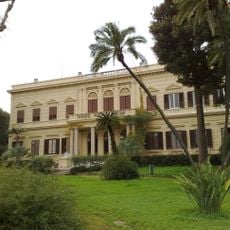
The garden's name comes from the Firriato di Sperlinga, the estate of Giovanni Stefano Oneto, duke of Sperlinga, who created it as a private hunting reserve in 1667. The Oneto holiday residence attached to the estate later became the seat of the Centro di Rieducazione Minorile and the Tribunale dei Minori in 1931.
The community of curious travelers
AroundUs brings together thousands of curated places, local tips, and hidden gems, enriched daily by 93,452 contributors worldwide.