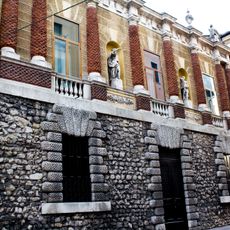
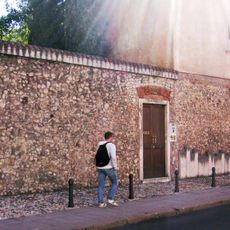
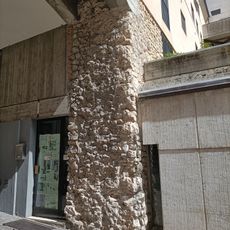
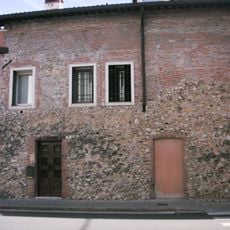
Teatro Berga, Roman theatre in Borgo Berga, Vicenza, Italy
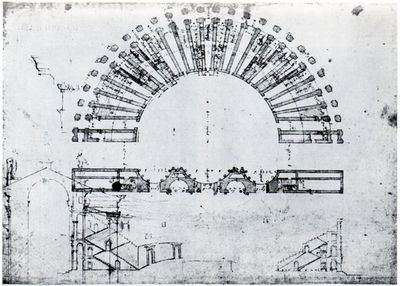
Teatro Berga is a Roman theatre with a semicircular design that once accommodated many spectators in the city of Vicenza. The structure was built from local Costozza stone and featured multiple entry points for performers to reach the stage.
Built around the end of the 1st century BC beyond the Retrone, the theatre was still in use in the 3rd century AD, when an inscription from Leptis Magna honoured the pantomime Marcus Septimius Aurelius Agrippa at the theatre of Vicetia. Emperor Otto III ceded the building to the Bishop of Vicenza in 1001. Used as a prison in the second half of the 13th century, it later fell into ruin and was built over with houses in the first half of the 17th century.
The theatre served as a gathering place where residents came together to watch performances and share leisure time. Its footprint shaped how the neighborhood developed, influencing the arrangement of streets and buildings even now.
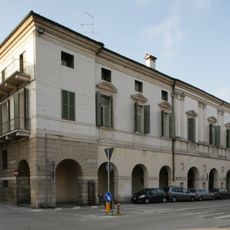
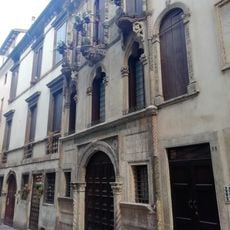
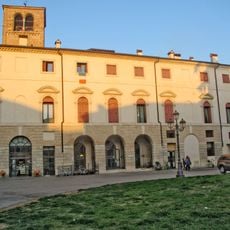
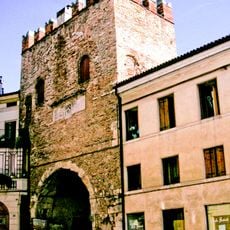
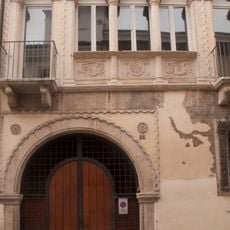
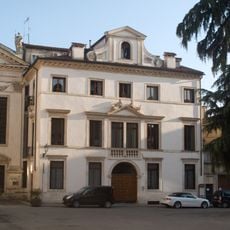
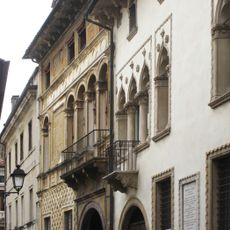
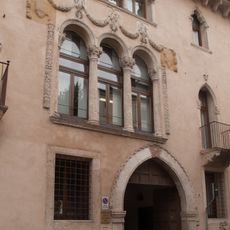
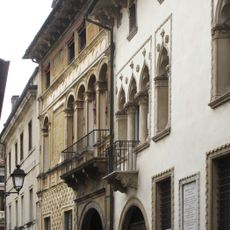
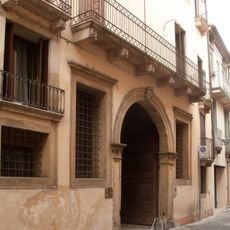
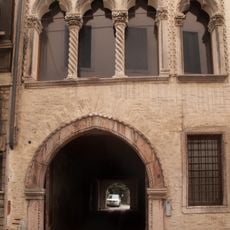
Nothing of the theatre stands free: its walls are inside houses between Contrà Santi Apostoli, Piazzetta San Giuseppe, Contrà Porton del Luzzo, Piazzetta Gualdi, Contrà del Pozzetto and Contrà Lioy. Walk Contrà Porton del Luzzo to read the curve of the cavea in the street line. The marble statues found in 19th-century excavations are in the Museo naturalistico archeologico di Santa Corona.
The circular layout of the ancient theatre remains visible from above, as modern streets and buildings follow the original Roman footprint. This unintended preservation of the ancient shape makes the theatre still recognizable in how the neighborhood is organized today.
The community of curious travelers
AroundUs brings together thousands of curated places, local tips, and hidden gems, enriched daily by 93,621 contributors worldwide.