Spoletium amphitheatre, Roman amphitheatre ruins in Spoleto, Italy
The Spoletium amphitheatre is a Roman structure measuring about 115 by 85 meters (377 by 279 feet), with 17 arches of its ambulatory still visible. The surviving section includes a 3.80-meter-wide entrance corridor and a smaller 2.30-meter-wide passage to the seating. Built in opus vittatum, it was partly surrounded by the Tessino stream and stood 150 meters from the Ponte Sanguinario.
The amphitheatre was built between the 1st and 2nd centuries AD outside the first city walls, near the Tessino stream and 150 metres from the Ponte Sanguinario. It hosted circus games, gladiator combats and, according to medieval hagiographers, the martyrdom of Spoleto saints. In 545 Totila turned it into a fortified stronghold, closing some arcades and the entrances to the arena and cavea.
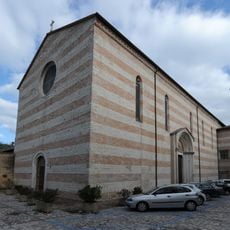
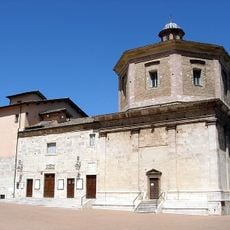
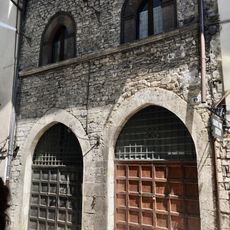
The church of San Gregorio Minore was built here in the 12th century, showing how religious buildings came to overlay the ancient structure. You can see this layering of old and new in the walls and layout of the site today.
You can view the ruins from several points around the city, with the best views from Caserma Minervio area which offers good perspectives on the structure. It is helpful to check local guides or information before visiting, as access can vary depending on ongoing restoration work.
The visible stretch of the ambulatory preserves 17 arches, one entrance corridor 3.80 m wide and a smaller passage of 2.30 m leading to the seating. Estimates of the arena's size varied: Giovanni Battista Bracceschi in the 16th century calculated 115 by 85 m, Achille Sansi 119 by 90 m, and Carlo Pietrangeli's 1938 survey settled on 115 by 84 m.
The community of curious travelers
AroundUs brings together thousands of curated places, local tips, and hidden gems, enriched daily by 93,362 contributors worldwide.