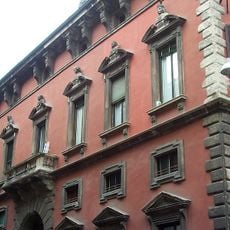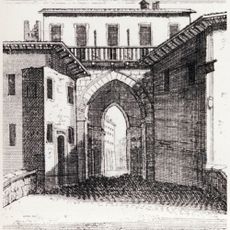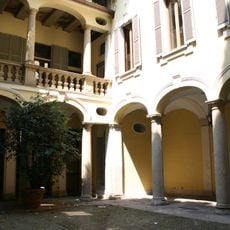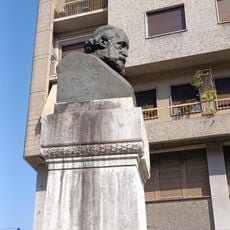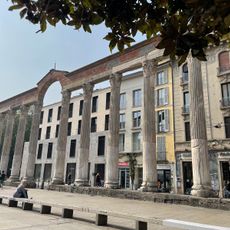
Colonna infame, Historic column in Milan, Italy
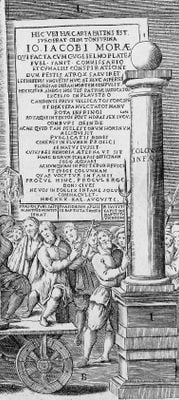
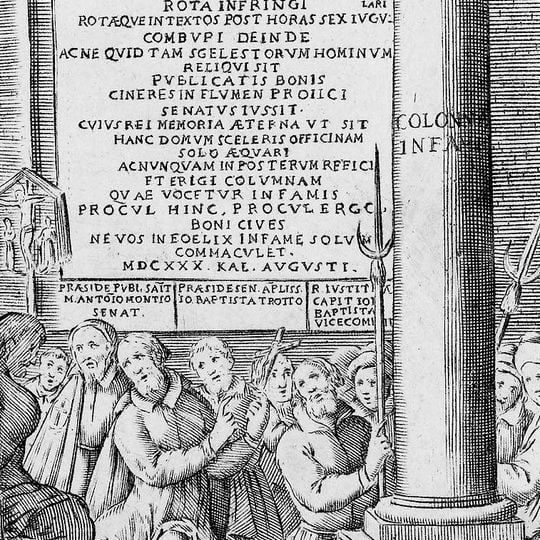
The Colonna infame is a monument in Milan that remembers two innocent people who were executed during the 1630 plague. The original was demolished in 1778, but a Latin inscription and details can be seen at the Castello Sforzesco.
The monument came from a tragic event in 1630 when two men were wrongly blamed for spreading plague through poisoned ointments. Their execution later sparked questions about justice and inspired intellectual works examining the errors of that time.
The place is tied to Milan's memory of judicial errors and shows how a whole city could quickly believe false accusations. The inscription and preserved documents remind visitors how easily fear leads to injustice.
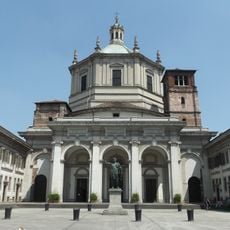
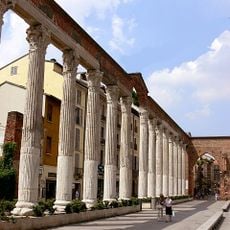
The site is near Piazza Vetra in the old town and is easy to reach on foot. It's worth visiting the Castello Sforzesco to see the original inscription and learn more about what happened.
The monument is closely linked to Alessandro Manzoni's investigation, which ranks among the earliest critical analyses of court proceedings. Manzoni's work helps visitors today understand how a city could spiral into panic and justice could be threatened.
The community of curious travelers
AroundUs brings together thousands of curated places, local tips, and hidden gems, enriched daily by 91,261 contributors worldwide.