Monumental cemetery of Pavia, Italian national heritage cemetery in Pavia, Italy.
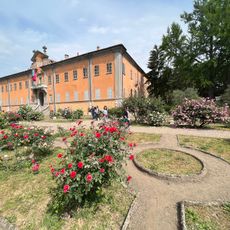
The monumental cemetery of Pavia is a large burial ground with neoclassical buildings, elaborate gravestones, sculptures, and family mausoleums designed mainly by Angelo Savoldi. The graves and monuments are spread across extensive pathways that allow visitors to explore the architectural details and burial sites.
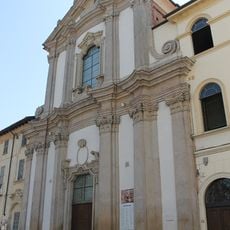
Pavia's municipality planned a new cemetery in the late 18th century and chose the San Giovannino district, then vineyards around a church called San Giovanni delle Vigne. In 1788 the old San Matteo hospital closed its own cemetery, and the monastery of Liano oversaw the transfer of remains, mostly from mass graves, to the new site. It was inaugurated on 7 November 1798; from 1879 to 1912 Vincenzo Monti and then Angelo Savoldi transformed it into today's monumental cemetery.
The cemetery preserves the memory of important regional figures through its gravestones and monuments, which tell the social story of Pavia. The different styles and inscriptions show how families over generations chose to honor their deceased.
The cemetery is accessible through Via San Giovannino, where visitors can find information to explore the grounds at their own pace. Guided tours are available to help visitors understand the architectural features and burial sites.
Inside the main entrance, dozens of majolica tombstones from the early 19th century are set into the wall, rare surviving examples of Pavia's majolica production. The atrium also holds a small pantheon where the names of the city's most illustrious citizens are carved on marble plaques.
The community of curious travelers
AroundUs brings together thousands of curated places, local tips, and hidden gems, enriched daily by 94,574 contributors worldwide.