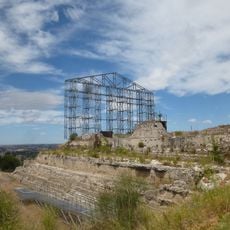
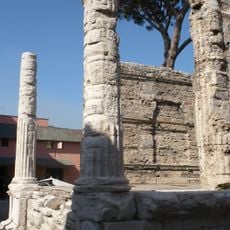
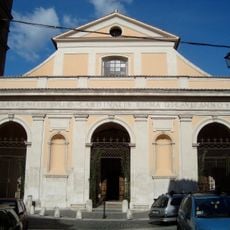
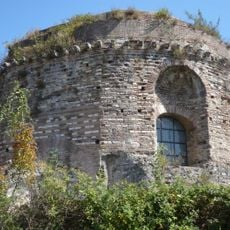
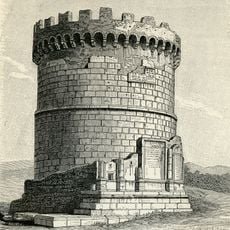
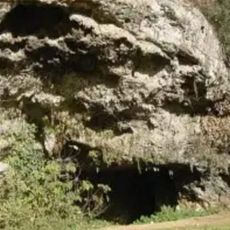
Tibur amphitheatre, Roman amphitheatre in Tivoli, Italy.
The Anfiteatro di Bleso in Tivoli is an oval Roman amphitheatre with a minor axis of 50 metres and a major axis of 90 metres, its cavea once holding up to 2,000 spectators. Semi-columns supported the seating tiers, which rested on wedges over a large ellipse and a barrel-vaulted corridor; the arena measured about 61 by 41 metres. Walls are opus mixtum of local tufa and travertine, and the floor was a mix of mortar and breccia.
The amphitheatre dates to the 2nd century AD, not BC. It was financed by M. T. Blesus, who contributed 200 working days and 200,000 sesterces, and its name derives from him. Medieval registers of the abbeys of Farfa and Subiaco already mentioned a "Fundum Amphiteatrum". It was rediscovered in 1948 during road works between largo Garibaldi and via dell'Inversata.
The inscriptions here tell of wild animal hunts and gladiatorial combats that drew crowds in Roman times. Such events were central to how communities gathered and celebrated, funded by wealthy citizens who wanted to show their power and generosity.
The amphitheatre is not open for regular visits; it opens only for concerts, exhibitions, film screenings and historical re-enactments, so check locally before planning a stop. It stands in the town centre beside Rocca Pia and the Scuderie Estensi, and only part of the structure survives, so the visible remains are best seen on these occasions.
The medieval registers of the abbeys of Farfa and Subiaco already called this spot "Fundum Amphiteatrum" long before road works in 1948 brought the structure to light. The name Bleso comes from M. T. Blesus, who gave 200 working days and 200,000 sesterces towards the building.
The community of curious travelers
AroundUs brings together thousands of curated places, local tips, and hidden gems, enriched daily by 93,409 contributors worldwide.