Villa Poniatowski, Archaeological museum and historic villa in Flaminio district, Rome, Italy
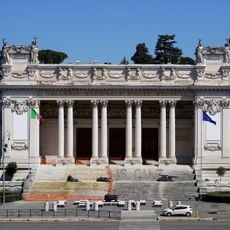
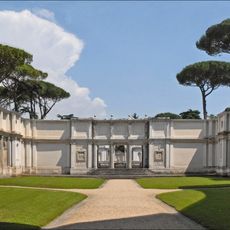
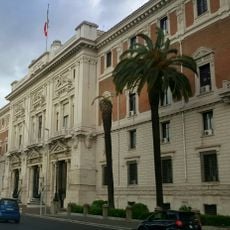
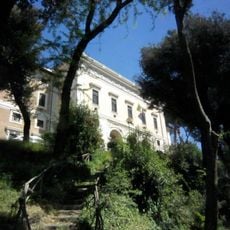
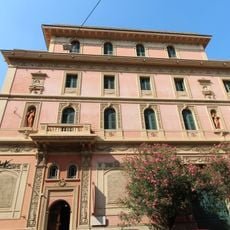
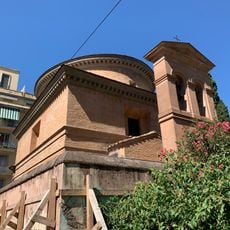
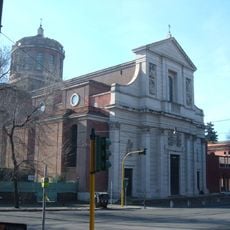
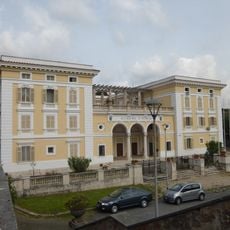
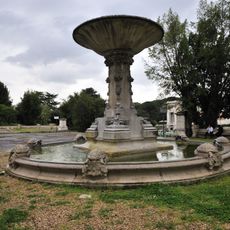
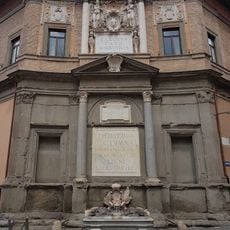
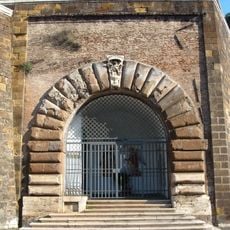
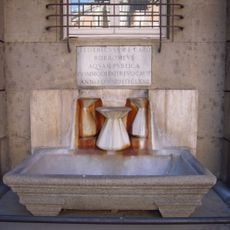
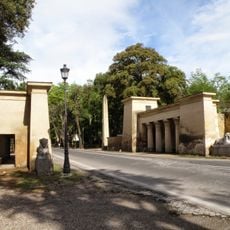
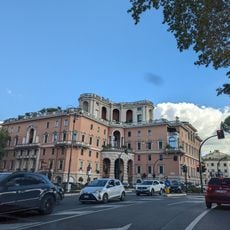
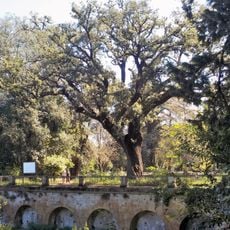
Villa Poniatowski is an archaeological museum and historic villa in Rome's Flaminio district, distributed across stepped terraces with fountains, pools, and ancient sculptures set within an Italian-style garden. The buildings display neoclassical architecture and house collections of Etruscan and ancient artifacts from the Latium region.
Cardinal Pierdonato Cesi acquired the land around 1570, and by 1581 Michel de Montaigne called the villa one of Rome's finest houses. In 1702 it passed from the Cesi to the Sinibaldi, then to the Candelori in 1798. Prince Stanislao Poniatowski later bought it and had Giuseppe Valadier restore the sixteenth-century casino and its terraced Italian garden. Damaged in the 1849 fighting of the Roman Republic, it was bought by the Italian state in 1988 and opened as a museum seat in 2012.
The villa is now the second seat of the National Etruscan Museum of Villa Giulia, holding Etruscan-Italic finds from Latium vetus and Umbria. Among them are parts of the grave goods from the Barberini and Bernardini tombs of Palestrina and remains from the temple of Mater Matuta at Satricum. The museum seat opened here in 2012.
The villa opens on specific days during the warmer months and requires advance notice for entry. It is wise to wear comfortable shoes since the stepped terraces and garden paths involve considerable walking.
The collection includes objects from ancient Etruria and Umbria that show how early cultures of the Italian peninsula lived. These artifacts are often overlooked but offer deep insight into civilizations older than the Roman Empire.
The community of curious travelers
AroundUs brings together thousands of curated places, local tips, and hidden gems, enriched daily by 94,357 contributors worldwide.