National Etruscan Museum, Archaeological museum in Borghese district, Italy
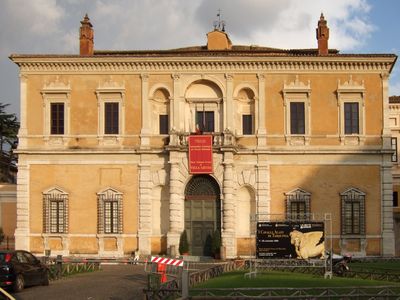
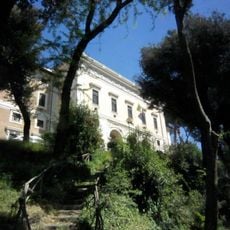
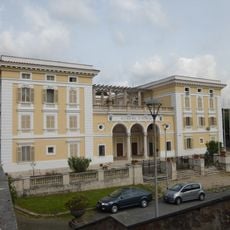
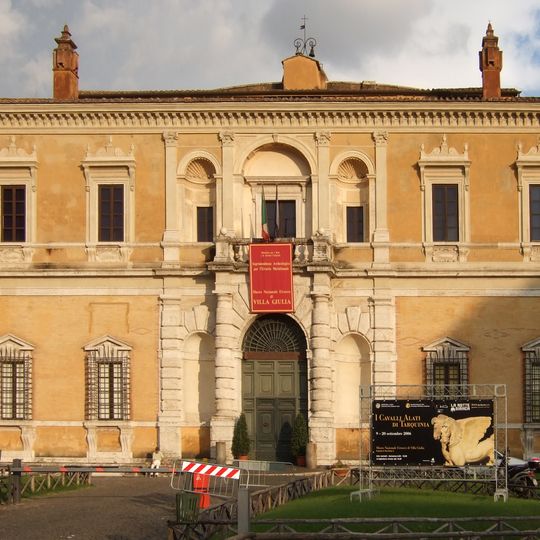
The National Etruscan Museum is housed in Villa Giulia and displays objects from pre-Roman settlements in central Italy. The collection includes pottery, jewelry, bronze objects, and sculptures that document the daily life and craftsmanship of the ancient Etruscans.
The museum was founded in 1889 to preserve archaeological discoveries from excavations in Lazio and Umbria. It emerged during a period of growing research interest in Etruscan civilization and its role before Roman rule.
The collection displays sarcophagi and religious objects that reveal how the Etruscans honored their dead and represented their gods. Throughout the rooms, fine details in clay and bronze show how important craftsmanship and beauty were in this ancient culture.
A visit is best planned on weekdays when it is less crowded and you can view the pieces more easily. The rooms are well-labeled and simple to navigate, even if you know little about the Etruscans.
One of the key displays shows pieces from the Temple of Veii, including figures that are over 2,600 years old. These terracotta pieces are so well preserved that you can still see individual facial features and folds in the clothing today.
The community of curious travelers
AroundUs brings together thousands of curated places, local tips, and hidden gems, enriched daily by 60,000 contributors worldwide.