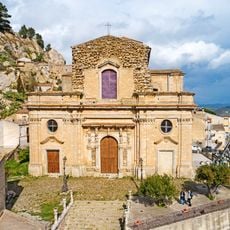
Maria Santissima Assunta, former cathedral in Troina, Sicily, Italy
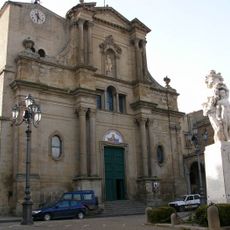
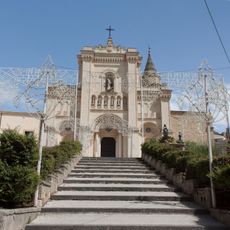
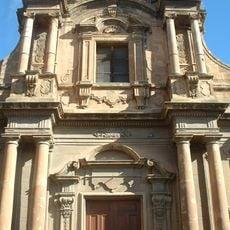
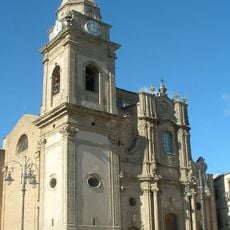
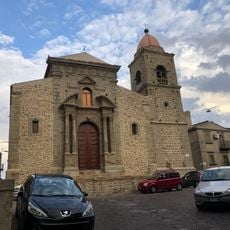
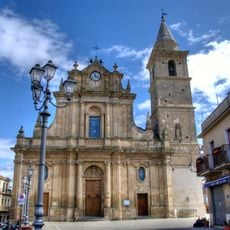
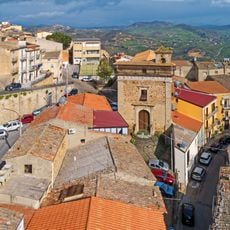
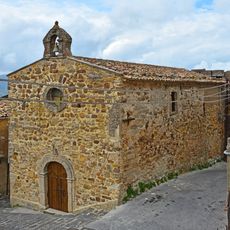
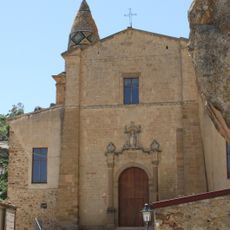
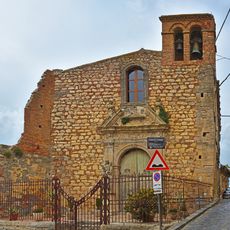
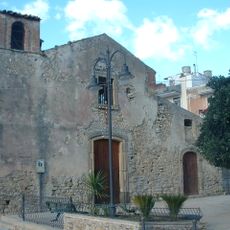
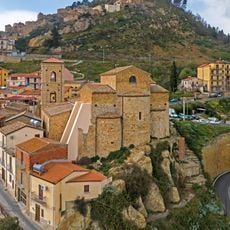
Maria Santissima Assunta is a cathedral in Norman style located in the historic center of Troina. The building was largely renovated in the 1700s and now displays a neoclassical front made of pale local stone with three main naves, vaulted ceilings decorated with white and gold details, and large arches supported by thick pilasters.
Ruggero I chose Troina as his stronghold in 1060 and made it the county capital in 1080. The first Norman cathedral in Sicily, dedicated to the Virgin, was built from 1061; in 1082 it became the cathedral of the new diocese of Troina. Pope Urban II stayed here in 1088, celebrated Mass and laid the groundwork for the Apostolic Legation of Sicily. The bishop's seat returned to Messina by 1090.
The cathedral is dedicated to the Virgin Mary, who holds deep spiritual meaning for local believers as a protector and guide. Religious celebrations here draw worshippers from across the region who honor this traditional devotion.
The interior provides a quiet space for reflection and contemplation, making it worth exploring at a relaxed pace. Visitors should notice the small windows and carved archways that still show traces of the original Norman structure beneath later modifications.
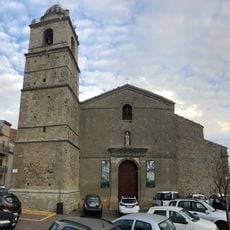
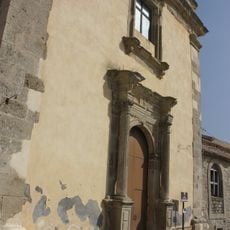
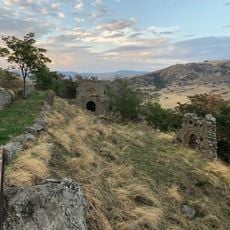
Few remnants of the original Norman structure remain visible, but a decorated arch in the bell tower and a small window in the old transept wall still show the design details of the original building. These modest fragments tell the story of centuries of modifications and change.
The community of curious travelers
AroundUs brings together thousands of curated places, local tips, and hidden gems, enriched daily by 94,298 contributors worldwide.