Museo Francesco Faà di Bruno, History and technology museum in Turin, Italy
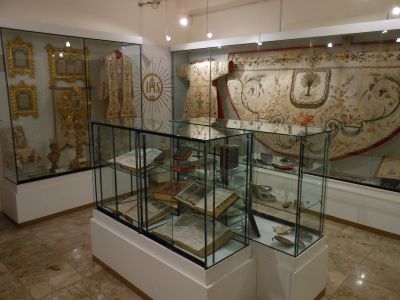
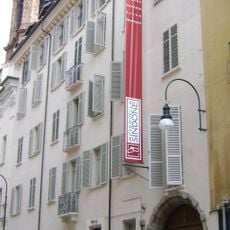
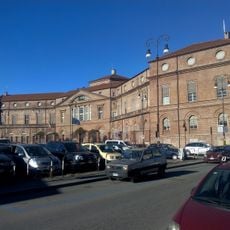
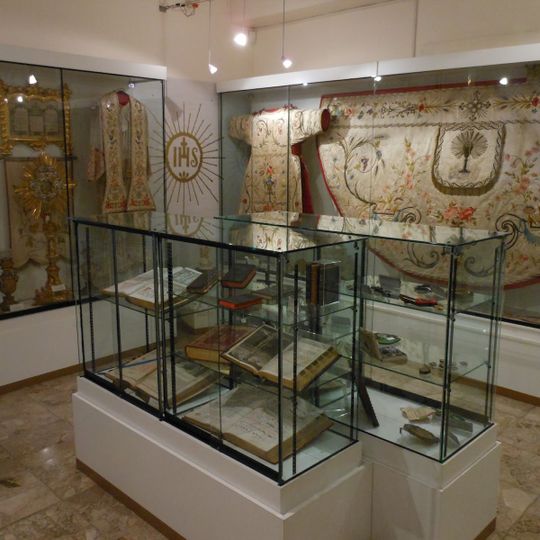
The Museo Francesco Faà di Bruno occupies the original apartment of Francesco Faà di Bruno in Turin's Borgo San Donato, within a complex between Le Chiuse, San Donato, Vagnone and Principi d'Acaja streets. Its rooms display his personal belongings, scientific instruments and working materials, including a study with his scientific library where he wrote his works, a bedroom and a small prayer room. Room 4 holds teaching apparatus and his inventions, among them a desk for the visually impaired, an electric alarm clock, a phase scope, an ellipsograph and a differential barometer, plus one of the two known Foucault telescopes.
Francesco Faà di Bruno began his life as a nobleman and soldier before turning to science, charitable work, and eventually the priesthood. A century after his death, Pope John Paul II beatified him in 1988.
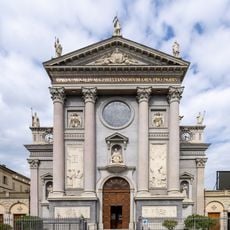
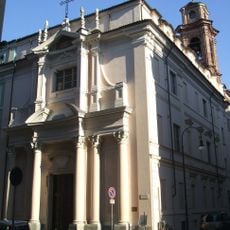
The museum forms part of a complex in Borgo San Donato that Faà di Bruno inspired, including the church of Nostra Signora del Suffragio e Santa Zita and its 83-metre bell tower, the second tallest building in Turin. He wanted the tower's four large clock faces, two metres across, to be visible across the city so workers could not be cheated over their working hours. The original French clock mechanism is now shown in the museum's clock room, opened in March 2016.
The museum occupies the apartment and rooms of the complex between Le Chiuse, San Donato, Vagnone and Principi d’Acaja in Borgo San Donato. The Clock Room, opened in March 2016 on the ground floor, holds the original French mechanism from the church bell tower. Entry is free.
The museum holds one of only two known examples of Foucault's telescope. It also displays a desk made for people with visual impairments, an electric alarm clock, a phase scope, an ellipsograph and a differential barometer, all devised by Faà di Bruno.
The community of curious travelers
AroundUs brings together thousands of curated places, local tips, and hidden gems, enriched daily by 94,321 contributors worldwide.