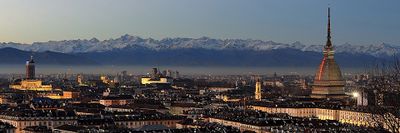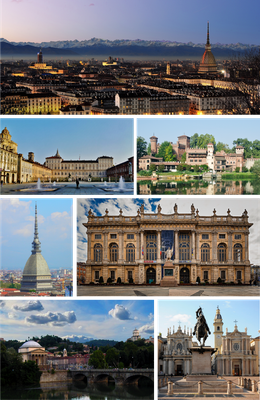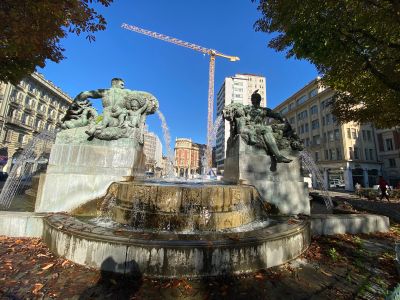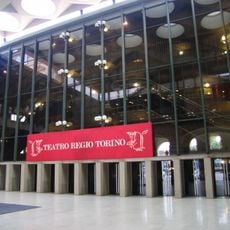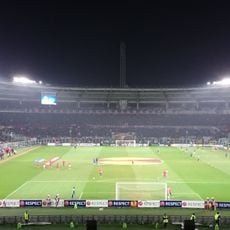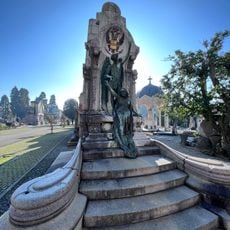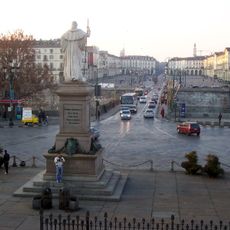
Turin, Capital city in Piedmont region, Italy.
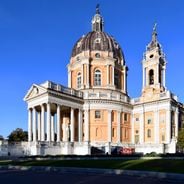
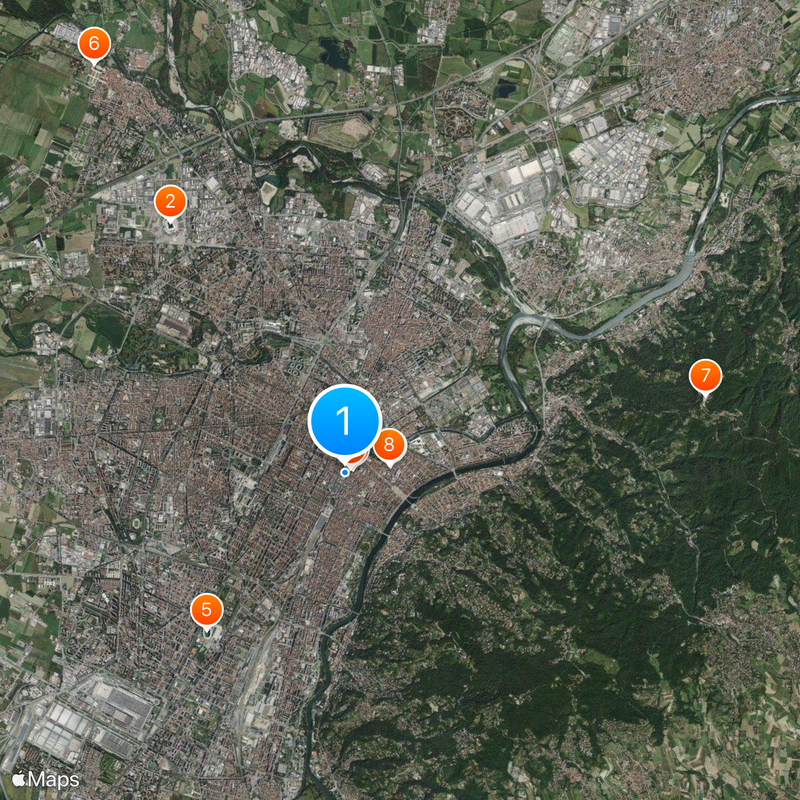
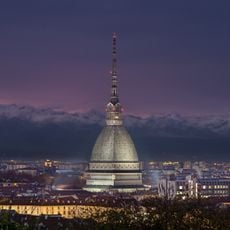
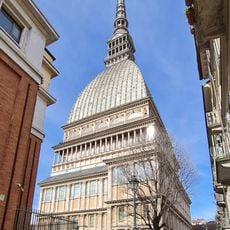
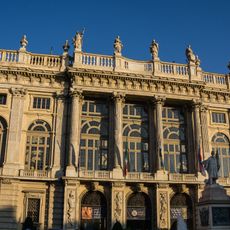
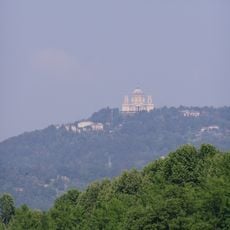
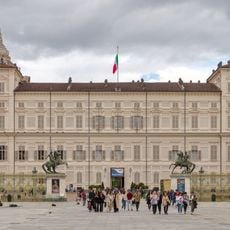
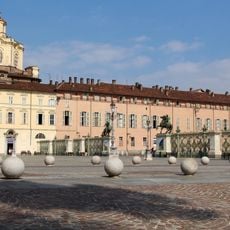
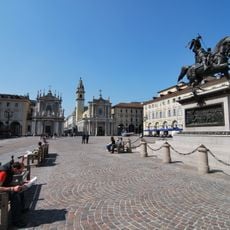
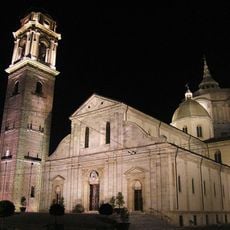
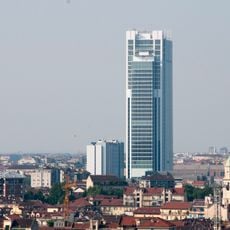
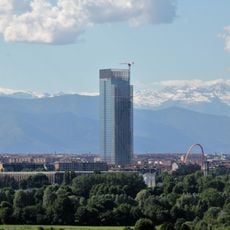
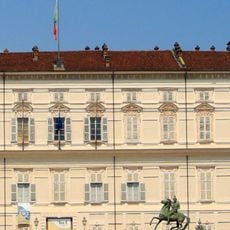
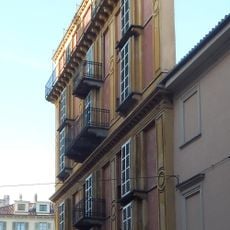
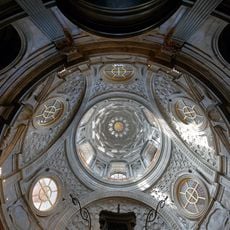
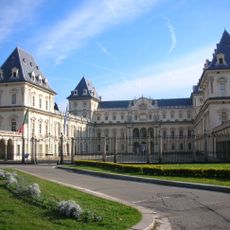
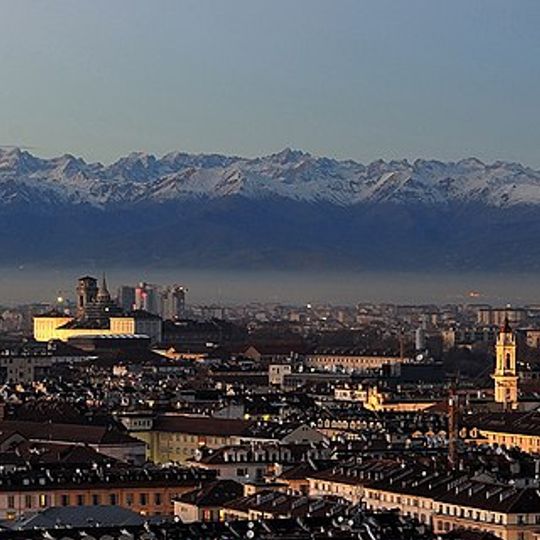
The city spreads along the western bank of the Po River with wide avenues arranged in a grid pattern and mountain peaks framing the horizon to the west. Baroque façades, open squares, and long stretches of covered walkways define much of the older center, while residential blocks and industrial structures occupy surrounding neighborhoods.
A Roman camp was founded here in the first century before the common era and later grew into a trading center under different ruling families. In 1861 it became the first capital of the newly formed Italian state before the government moved to Florence and eventually Rome.
Residents gather in cafés beneath the arcades lining many streets, sitting outdoors even during cooler months while enjoying local espresso traditions. Markets draw neighbors who shop for fresh produce and discuss regional recipes passed down through generations in Piedmont kitchens.
Public transport connects most neighborhoods through metro lines, trams, and buses that run frequently during daytime hours and less often at night. Many central areas are easy to explore on foot thanks to wide sidewalks and a regular street layout that simplifies navigation.
An extensive network of underground tunnels and passageways spans more than 18 kilometers beneath the center, connecting historic buildings and accessible through guided visits. These subterranean spaces served different purposes over the centuries, from storage to shelter, and remain hidden from most visitors walking above ground.
The community of curious travelers
AroundUs brings together thousands of curated places, local tips, and hidden gems, enriched daily by 90,797 contributors worldwide.