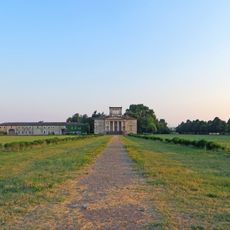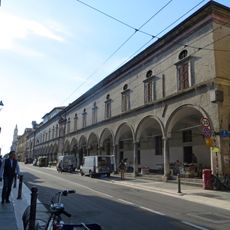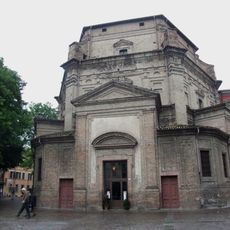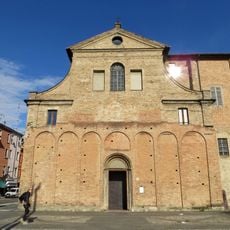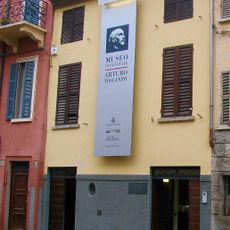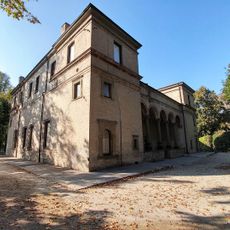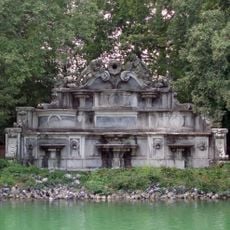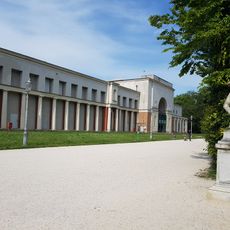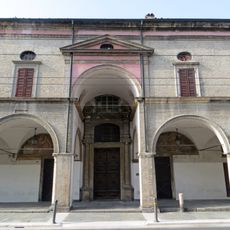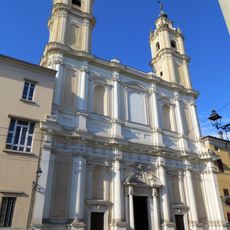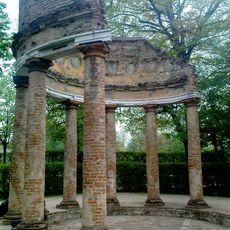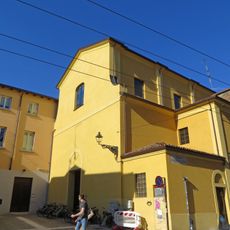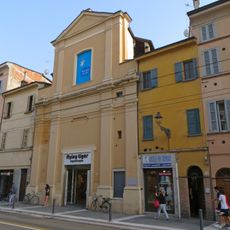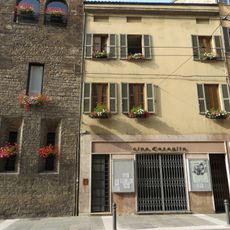
Istituto Ricerche Esplosivistiche, Explosives research museum in Parma, Italy.
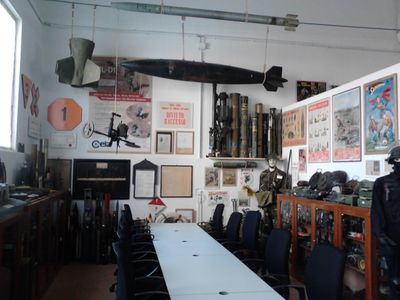
The Istituto Ricerche Esplosivistiche is a research institute and museum in Parma dedicated to explosives technology, forensic investigation, and safety protocols. The exhibition spaces display equipment, documents, and instruments connected to the history and techniques of controlled explosions.
The IRE began in the 1980s as Danilo Coppe's private collection, started while he worked in the Apuan marble basin and later in cement aggregate quarries. He went on to collaborate with Lennart Abersten, the Swedish specialist who first diverted lava from a volcano during the 1983 Etna eruption. Coppe has worked independently since 1989, and the collection grew through donations from private individuals and institutions.
The museum's stated aim is to show explosives beyond their military use, covering civil and scientific applications from daily safety to geophysical analysis of the Earth. The institute also runs training courses, and some are open to schools on request, including sessions warning about the risks of unexploded war remnants and fireworks.
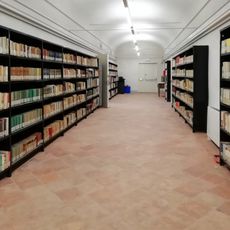
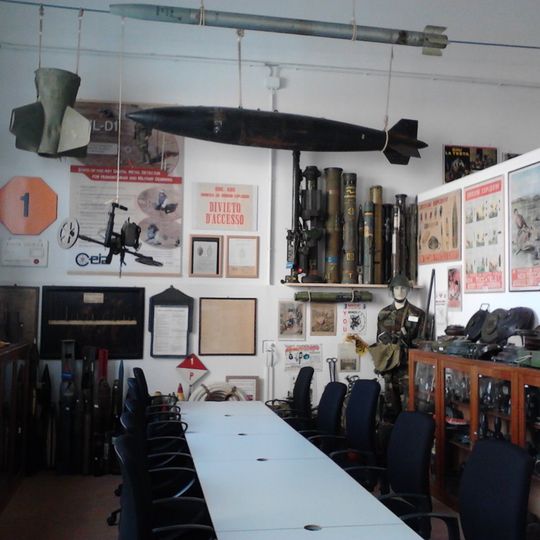
The museum occupies two exhibition rooms: the first doubles as a conference hall and holds miners' gear and forensic pieces from IRE's work with the RIS and Polizia Scientifica; the second covers military and industrial explosive devices, all inertised as the law requires. Courses are held by IRE board members, and some are open to schools on request, for technical-school orientation or firework-safety education.
The collection includes mining equipment from earlier centuries that shows how explosives were used long before modern safety standards existed. These historical tools give visitors direct insight into how explosion techniques developed across generations.
The community of curious travelers
AroundUs brings together thousands of curated places, local tips, and hidden gems, enriched daily by 94,657 contributors worldwide.