Castello di Musso, Medieval castle in Musso, Italy.
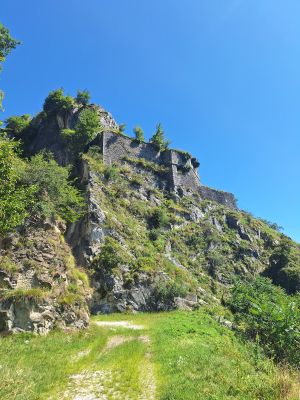
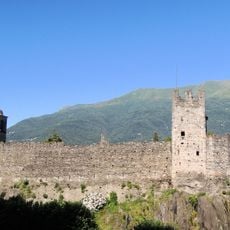
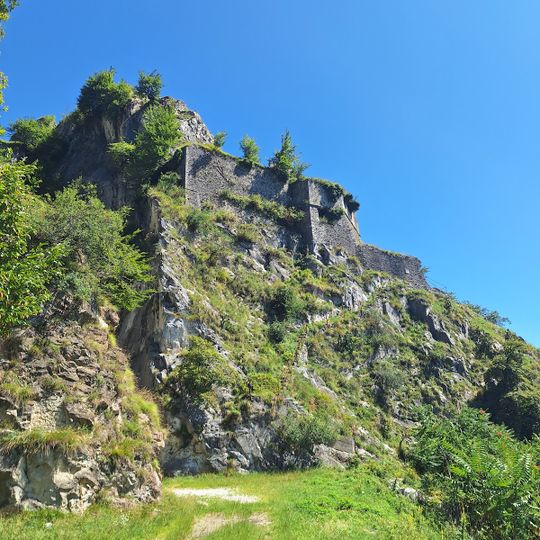
Castello di Musso is a medieval fortress rising from a rocky outcrop on the western shore of Lake Como, dominating the surrounding landscape. The ruins still display sturdy stone walls and towers arranged along the shore, emphasizing the defensive nature of the structure.
The first documented record of the fortress dates to 1350, when the Malacrida family bought the castle and its small village at auction from Como. In 1522 Gian Giacomo Medici, known as il Medeghino, seized it and made it the headquarters of a small state, adding a triple ring of walls and a palisade ditch. In March 1532 the Grigioni demolished it after he ceded it to Francesco II Sforza.
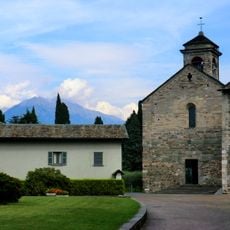
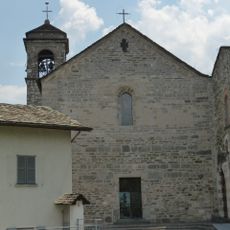
The name Musso comes from the Latin muscus, meaning moss, after the lichen-covered rock the fortress stands on. The church of Sant'Eufemia, inside the walls since the 17th century, was built over an early medieval chapel, and a sacrificial altar to the goddess Diana found at the foot of the cliff in the early 1900s suggests an older pagan cult site. The marble quarries below, worked since Roman times, supplied building and decorative stone.
The grounds are visible from outside but can only be entered with prior permission or through organized tours. It is best to contact the local municipality beforehand to confirm access conditions and availability.
The marble quarries of Musso, worked since Roman times, supplied much of the stone for the castle and later contributed to its disappearance. A sacrificial altar to the goddess Diana, found at the foot of the cliff in the early 20th century, hints at a pagan cult site beneath the church of Sant'Eufemia.
The community of curious travelers
AroundUs brings together thousands of curated places, local tips, and hidden gems, enriched daily by 94,532 contributors worldwide.