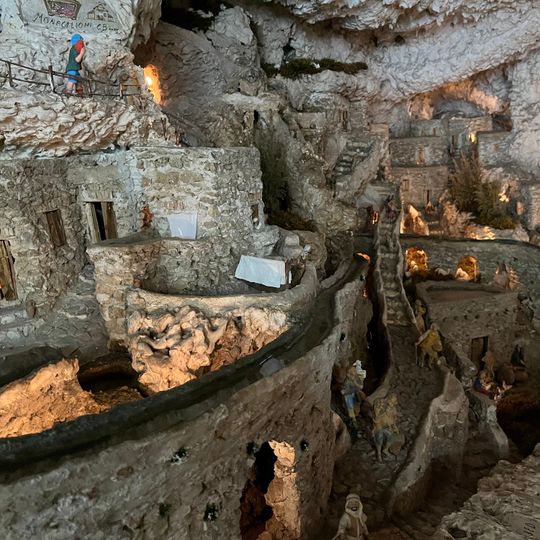
Presepe dei Netturbini, Nativity scene in Rome, Italy
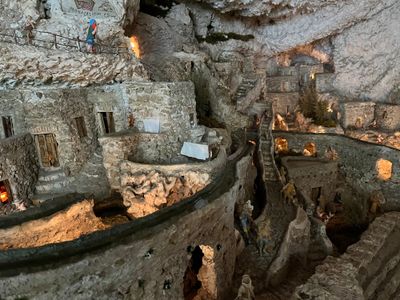
Presepe dei Netturbini is a permanent nativity scene arranged inside an artificial cave in the Aurelio neighborhood of Rome. The display recreates an ancient Palestinian town with small tufa houses, narrow streets, rivers, bridges and aqueducts, all laid out along a winding path in a dim, damp space.
The scene was first assembled in 1972 by two sanitation workers who built it in about two months using lime, mortar and salvaged materials. Over the following decades it kept growing through yearly additions, and by 2011 its fortieth anniversary was marked with a special postal cancellation and commemorative postcards.
Local families often come back each year around the holidays to see which new stones and miniature buildings have been added to the scene. In the small museum corner, visitors can spot rock fragments sent from various parts of the world, turning the nativity into a quiet collection of gifts from faraway places.
The visit follows a short indoor route with irregular paving and low lighting, so comfortable shoes and some care while walking are useful. Since the space is compact, early morning or weekday visits tend to be quieter and allow more time to notice the small details.
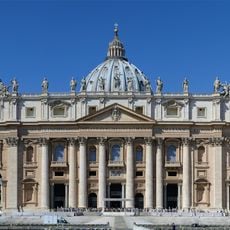
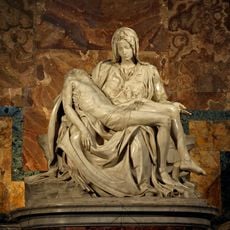
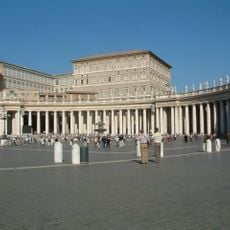
The scene holds 2,234 stones set into its walls and base, sent from around the world, including one lunar stone; there is no Mars stone in the sources. The smaller aqueduct is built of tuff, while the others were made after 1979 from marble fragments donated by Cardinal Virgilio Noè from the Vatican Basilica and its colonnade.
The community of curious travelers
AroundUs brings together thousands of curated places, local tips, and hidden gems, enriched daily by 93,095 contributors worldwide.