Lemon House, Historical orangery in Boboli Gardens, Florence, Italy
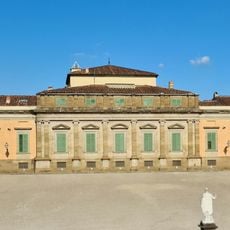
The Lemon House is a greenhouse within the Boboli Gardens featuring rectangular walls, tall glass panes, and grey stone pillars. Inside, rows of plant containers stretch beneath the glazed roof, which lets light reach the citrus trees while protecting them from cold weather.
The limonaia was built between 1777 and 1778 to designs by Zanobi del Rosso, within the Boboli Gardens in Florence. It replaced earlier structures for overwintering citrus and formed part of the garden's late-18th-century layout under the Habsburg-Lorraine grand dukes.
The space demonstrates how Florence's wealthy families used citrus plants as symbols of power and refinement during the 1700s. Today, visitors can see how the plants are still arranged with the same care that reflects this historical importance.
Access to the Lemon House requires purchasing tickets to the Boboli Gardens at the main entrance of the complex. Spring and warmer months offer the best visit timing, as the plants are in active growth and easier to appreciate.
The limonaia's name in Italian, limonaia di Boboli, points to its purpose: sheltering lemon and other citrus trees in pots, moved out each spring. Zanobi del Rosso's 1777–1778 building stands in the Boboli Gardens, the Medici park behind Palazzo Pitti in Florence.
The community of curious travelers
AroundUs brings together thousands of curated places, local tips, and hidden gems, enriched daily by 93,111 contributors worldwide.