Fukushima Daiichi Nuclear Power Plant, Nuclear power plant in Okuma and Futaba, Japan
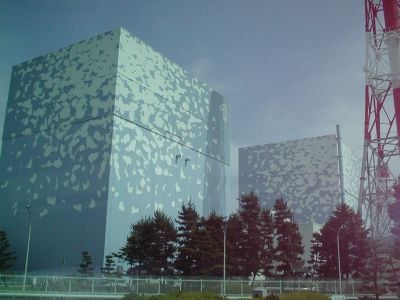
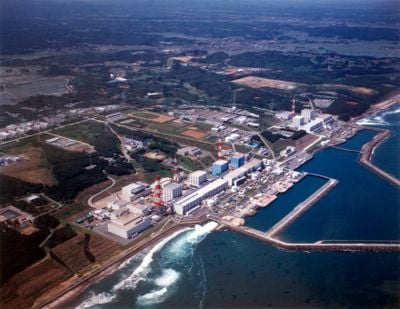
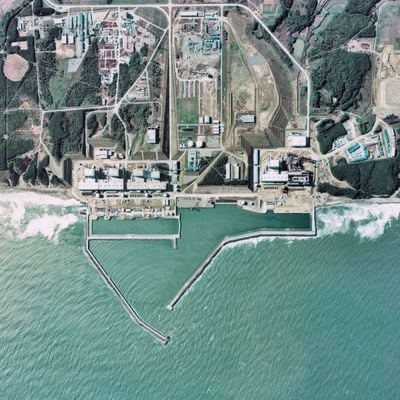
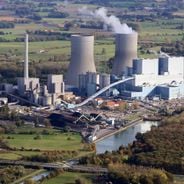
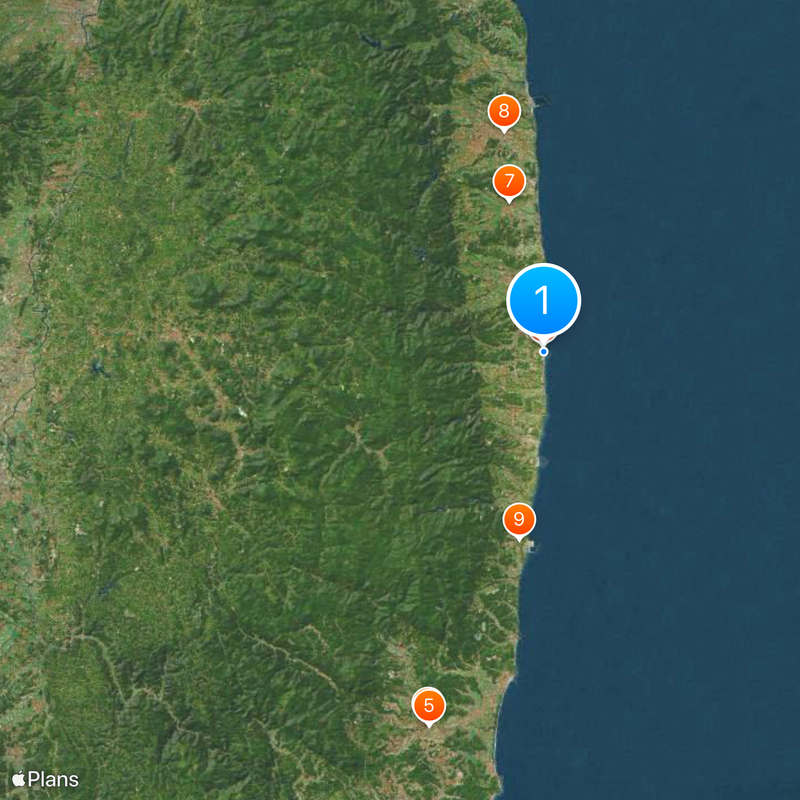
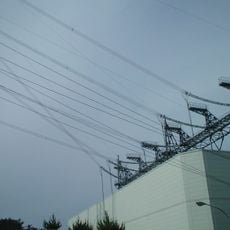
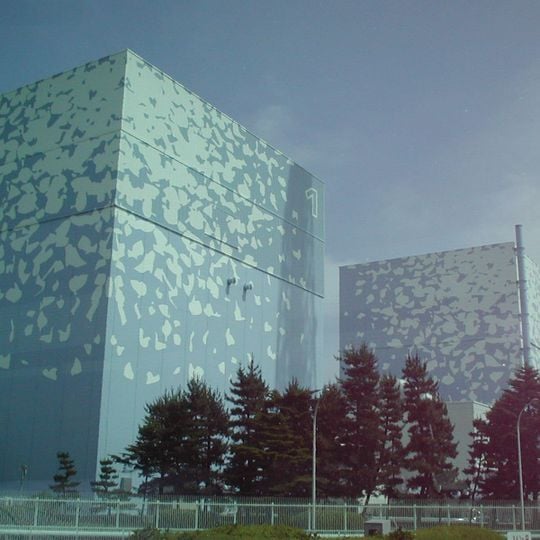
Fukushima Daiichi is a decommissioned nuclear facility with six boiling water reactors located in Fukushima Prefecture along the Pacific coast. The industrial site sits between the towns of Okuma and Futaba.
In March 2011 a major earthquake triggered a roughly 15-meter (50-foot) wave that damaged cooling systems and led to multiple reactor core meltdowns. The aftermath of this disaster resulted in the complete shutdown of the facility.
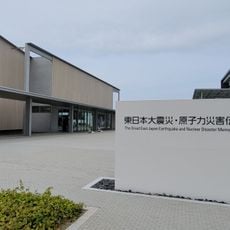
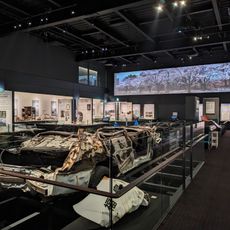
The Great East Japan Earthquake and Nuclear Disaster Memorial Museum documents the impact of the 2011 events through exhibits and educational programs.
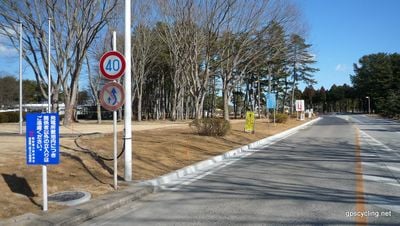
The site is not open to the public and surrounding areas remain under access restrictions due to radiation levels. Decontamination work continues and is expected to last several more decades.
Specially developed robots are used to work in highly radioactive areas where humans cannot enter. These machines collect samples and conduct inspections inside the damaged reactor buildings.
Location: Okuma
Location: Futaba
Inception: 1966
Architects: Ebasco Services
Website: https://tepco.co.jp/decommission
GPS coordinates: 37.42139,141.03250
Latest update: December 4, 2025 19:01
This collection brings together nuclear power plants that have shaped the history of civilian nuclear energy. Some experienced accidents that changed the world’s view of nuclear energy. Chernobyl in Ukraine remains a symbol of the 1986 disaster, while Fukushima in Japan showed the risks of natural events. Three Mile Island in Pennsylvania paused the building of new reactors in the US for many years. Other sites are among the largest in the world, like Kashiwazaki-Kariwa in Japan or Bruce in Canada. Many places are facing challenges today, such as the Zaporijia plant in Ukraine. The collection also includes projects that tried to push the technical limits of this energy. Superphénix in France and Monju in Japan explored new types of reactors, with mixed results. Some facilities, like Bataan in the Philippines, were never operational despite being fully built. Others, like Oyster Creek or Tokai, helped start nuclear work in their countries. From Siberia to the United Arab Emirates, from Canada to India, these sites tell stories about energy choices, technical progress, failures, and questions that have surrounded this source of power for more than sixty years.
Iwakitaira Castle
42.2 km
原子力明るい未来のエネルギー
4.1 km
Great East Japan Earthquake and Nuclear Disaster Memorial Museum
4 km
Latov
42.4 km
Fukushima Daiichi units 4, 5 and 6
662 m
Odaka Castle
16.8 km
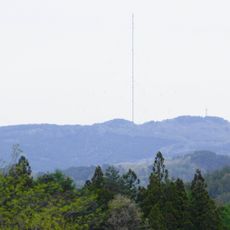
Haramachi Radio Tower
24.3 km
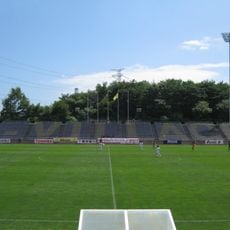
J-VILLAGE Stadium
20.5 km
Iino Hachimangū
42.3 km
閼伽井嶽薬師
41.3 km
Sōmaōta-jinja
21.9 km
Ōtakadoya
17.1 km
Hiyama
33.6 km
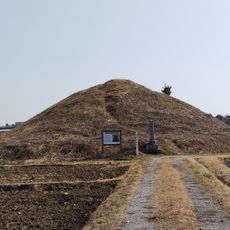
Sakurai Kofun
24.8 km
Kusano-jinja
6.6 km
Kusano Shimpei Memorial Literature Centre
37 km
Kashima miko jinja
31.9 km
Kabutozuka Kofun
41.8 km
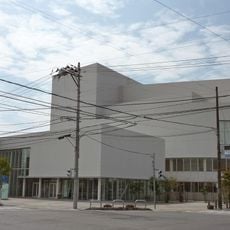
南相馬市民文化会館
25.3 km
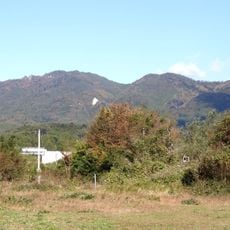
Mount Futatsuya
31.2 km
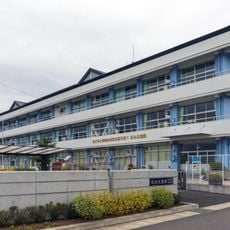
Namie Sosei Elementary School and Junior High School
8.2 km
Iwaki City Anmonite Center
28.5 km
Birth house of Kusano Shimpei
35.4 km
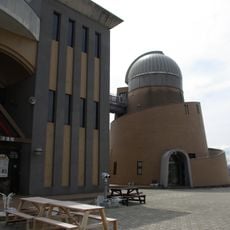
Hoshi no Mura Observatory
32.8 km
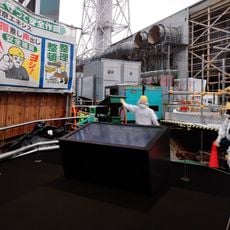
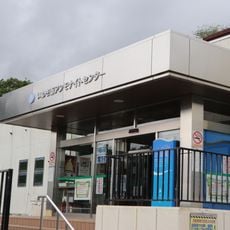
TEPCO Decommissioning Archive Center
9.1 km
Fumonji
41.7 km
Historical Archive Museum of Tomioka
8.4 km
Abukuma-do
32.9 kmReviews
Visited this place? Tap the stars to rate it and share your experience / photos with the community! Try now! You can cancel it anytime.
Discover hidden gems everywhere you go!
From secret cafés to breathtaking viewpoints, skip the crowded tourist spots and find places that match your style. Our app makes it easy with voice search, smart filtering, route optimization, and insider tips from travelers worldwide. Download now for the complete mobile experience.
A unique approach to discovering new places❞
— Le Figaro
All the places worth exploring❞
— France Info
A tailor-made excursion in just a few clicks❞
— 20 Minutes