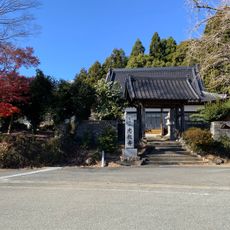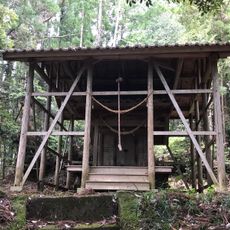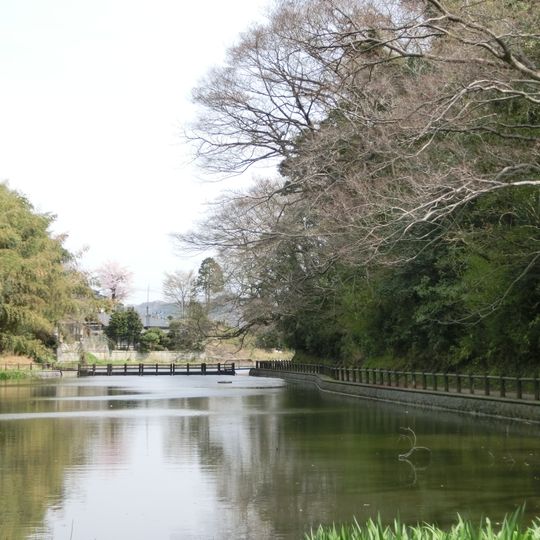
Iwakitaira Castle, Japanese flatland castle in Iwaki, Japan
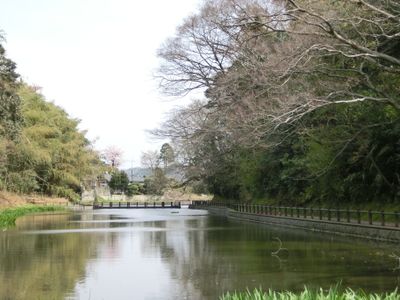
Iwakitaira Castle is a flatland castle built on a plateau protected on three sides by the U-shaped Tangosawa lake. Its Honmaru stood at the southeast end, the Ninomaru on a northeast ridge, and the Sannomaru to the west. It had no donjon; a three-story yagura served instead, and at its height the castle had 17 yagura and 24 gates.
The castle was built between 1603 and 1615 by Torii Tadamasa, the first lord of Iwakitaira Domain, to keep watch over Date Masamune's forces in Sendai. During the Boshin War in 1868, the castle superintendent Uesaka Sukesuke set the structure on fire before retreating from advancing Imperial troops.
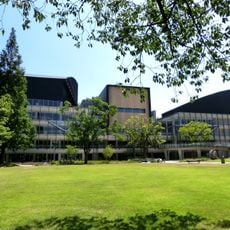
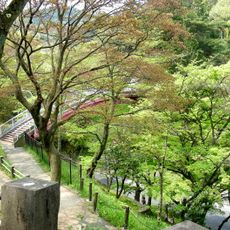
The castle's alternative name, Ryūgajō, comes from a verse about its three-story yagura: "Iwaki's famous three-story tower, floating on Ryū's moat." The moat was formed by the U-shaped Tangosawa lake, and the site is now partly Tangosawa Park, where the Ryūgajō Art Museum displays heritage from the Iwaki clan.
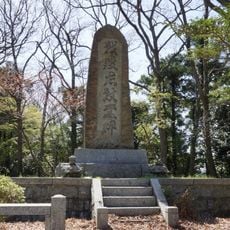
The castle site is a five-minute walk from the north exit of JR Iwaki Station on the Joban Line; the line's tracks were laid through the former inner moat in 1897. Most of the grounds are private residential lots, and the stone monument marking the site can only be viewed from outside the fence. The surviving moat, earthen ramparts and stone walls lie partly within Tangozawa Park, near the Ryugajo Museum.
The location was strategically placed to watch over the neighboring Date Masamune domain, making it a key point during the early Edo period because of its position at the border between two power zones. The superintendent's escape and destruction of the buildings show how quickly power shifted during the times of change.
The community of curious travelers
AroundUs brings together thousands of curated places, local tips, and hidden gems, enriched daily by 94,849 contributors worldwide.