Zuihōden, Mausoleum in Aoba-ku, Japan
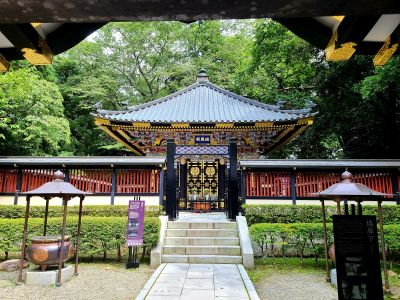
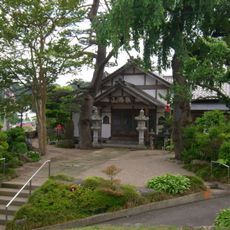
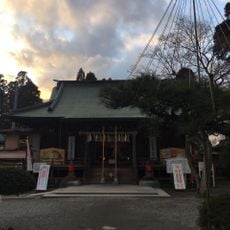
Zuihōden is a mausoleum in Aoba-ku, Sendai, Japan, that stands out for its multicolored wooden construction. The walls display carved animals and plants, while the curved roof carries gilded ornaments across its surface.
Date Masamune, the founder of Sendai, died in 1636, after which his family commissioned this burial monument the following year. American bombing destroyed the building completely in 1945, but a faithful reconstruction took place between 1974 and 1979.
The name Zuihōden was chosen when the mausoleum was completed in 1637. Flanking the main hall are 20 treasure pagodas (hōkyōintō) for the 15 vassals and 5 retainers who committed junshi, following their lord in death. At Zennōden, where junshi was banned, 14 vassals instead shaved their heads and mourned for 100 days.
The approach to the grounds leads through a forest of old cedars and several steep stone steps. Visitors should wear sturdy footwear and plan about an hour for the round trip.
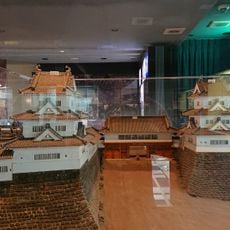
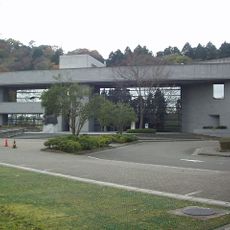
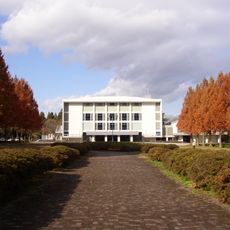
A small museum at the entrance displays excavation finds from the graves, including personal belongings of those buried. The exhibits provide insight into the burial customs of the samurai class during the Edo period.
The community of curious travelers
AroundUs brings together thousands of curated places, local tips, and hidden gems, enriched daily by 93,229 contributors worldwide.