Shimpuku-ji, Buddhist temple in Wakabayashi-ku, Japan
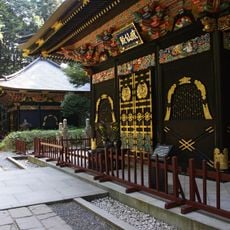
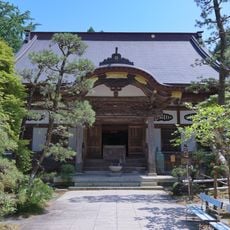
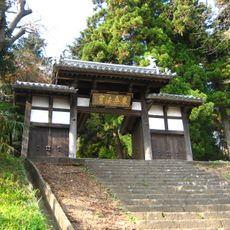
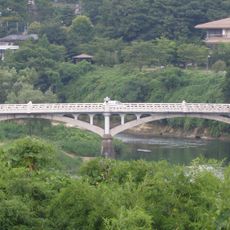
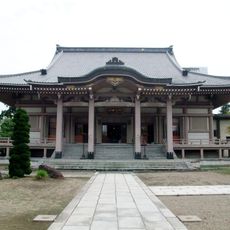
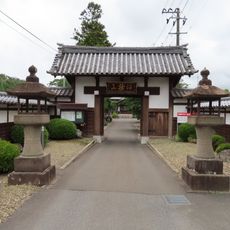
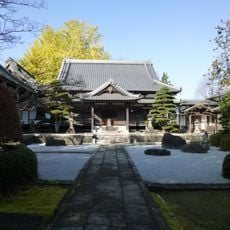
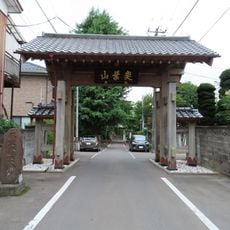
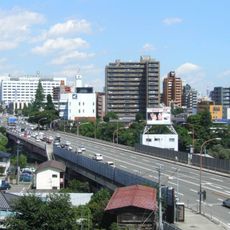
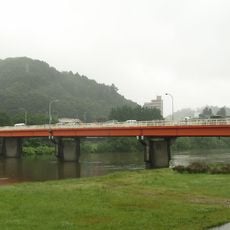
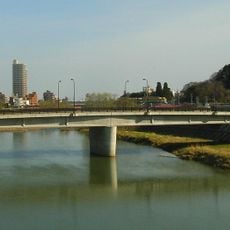
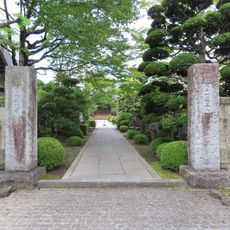
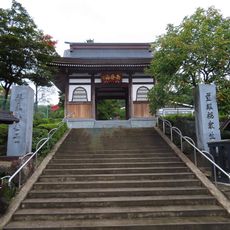
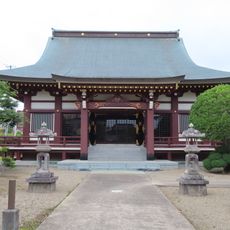
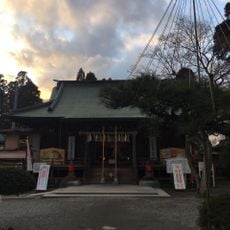
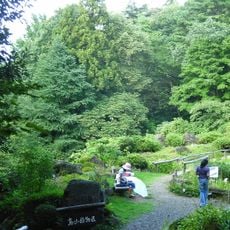
Shimpuku-ji is a Jishū Buddhist temple on the left bank of the Hirose River in Wakabayashi-ku, Sendai. Its grounds are split by the Atago Bridge approach: the temple buildings stand west of the road, while the cemetery lies to the east. The temple hall enshrines a seated wooden statue of the monk Ankoku Shōnin, 80.7 cm tall, made in joined-wood technique with hands pressed together.
Founded by the Jishū monk Ankoku in the 14th century, the temple stood in the castle town of the Kasai clan in Tome District. After the Kasai fell in 1590, it declined until Date Masamune allowed it to move to Iwadeyama, and later to Sendai. Under the Sendai domain it held the zaseki rank and received 121 koku.
The temple grounds hold a hall where Ankoku Shōnin, the founding monk, is venerated together with Kosodate Myōjin, a deity believed to grant children's wishes and to bring milk to nursing mothers. The neighbouring Ankoku-dō houses a joined-wood statue of Ankoku Shōnin, 80.7 cm tall and seated with palms pressed together, estimated to date from the Muromachi period and designated a Sendai City cultural property on 19 March 1990.
The temple is open to visitors and located in eastern Sendai, reachable through the local transportation system in Wakabayashi ward. Be aware that access may be limited during active religious ceremonies.
The temple's main image, a joined-wood seated statue of the monk Ankoku Shōnin, is 80.7 cm tall and shows him seated with palms pressed together. Tradition says Ankoku carved it himself, but it is dated to the Muromachi period and was designated a Sendai City cultural property on 19 March 1990.
The community of curious travelers
AroundUs brings together thousands of curated places, local tips, and hidden gems, enriched daily by 94,590 contributors worldwide.