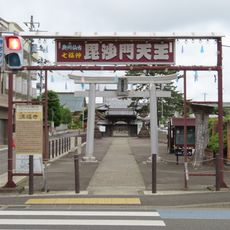
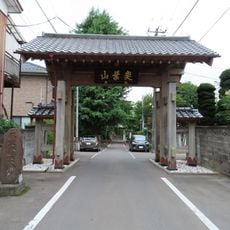
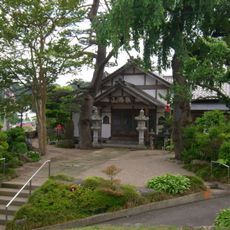
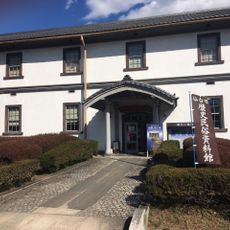
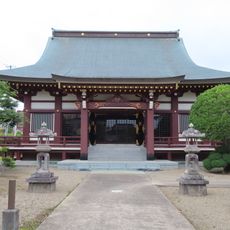
Amida-ji, Buddhist temple in Wakabayashi-ku, Japan
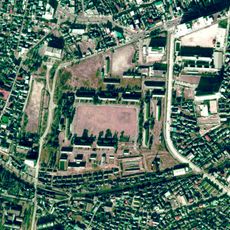
Amida-ji is a Jishu-sect Buddhist temple in Shin-dera 3-chome, Wakabayashi-ku, Sendai. Its main image is Amida Nyorai, and it is the 17th stop on the Sendai Thirty-Three Kannon pilgrimage, with a Shokannon statue in its Kannon hall. The mountain name is Hoo-zan and the temple name Shogaku-in; it held 24 koku of temple land in the Edo period.
Founded in 1277 in Yanagawa, Mutsu Province (now Date, Fukushima Prefecture), by the Date clan head Date Masayori, with the Ji-shu founder Ippen as founding abbot. The temple moved with the Date clan to Iwadeyama and then to the castle town of Sendai, reaching its present site under the second Sendai lord, Date Tadamune. A Kannon hall was built on the grounds in 1716.
Amida-ji belongs to the Jishū school, founded by Ippen, and is the 17th stop on the Sendai Thirty-Three Kannon pilgrimage. The Kannon hall, built in 1716, holds a Shō-Kannon statue as its main image. The temple's mountain name is Hōōzan and its cloister name Shōgakuji.
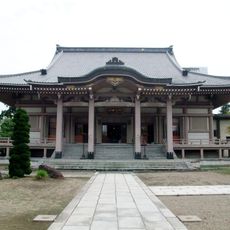
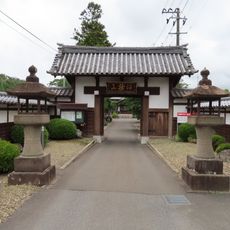
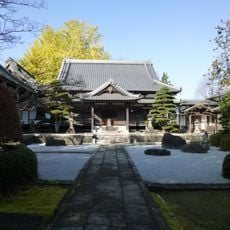
Amida-ji stands in Shin-dera 3-chome, Wakabayashi-ku, a short walk from the Shin-dera-dori shopping street. The temple is an active religious site, so keep to the paths and avoid photographing worshippers. The main hall and Kannon hall face the courtyard; the grave of the Sendai domain magistrate Kurosawa Kaname is on the grounds.
Amida-ji is the 17th stop on the Sendai Thirty-Three Kannon Pilgrimage, and its Kannon Hall, built in 1716, houses a Shō-Kannon statue as its main image. The temple also holds the grave of Kurosawa Kaname Toshiei, a magistrate of the Sendai domain.
The community of curious travelers
AroundUs brings together thousands of curated places, local tips, and hidden gems, enriched daily by 93,858 contributors worldwide.