Shōden-an, Buddhist temple in Wakabayashi-ku, Japan
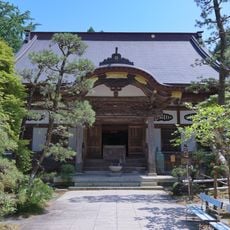
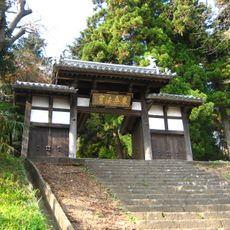
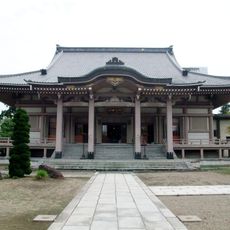
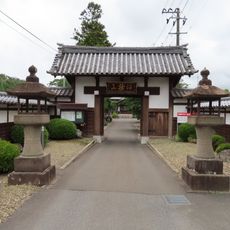
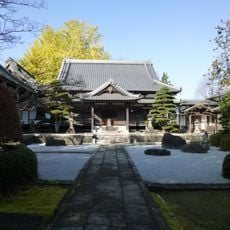
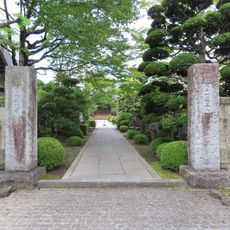
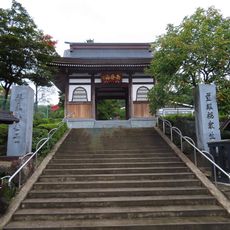
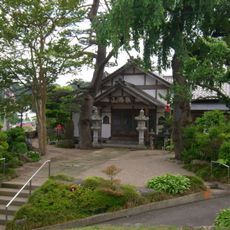
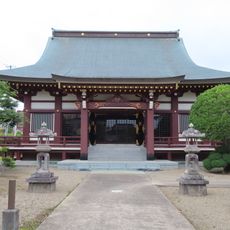
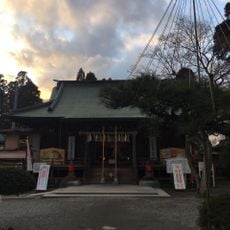
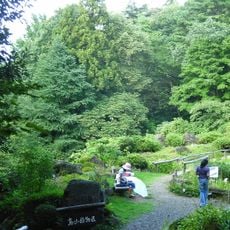
Shōden-an is a Sōtō Zen temple of the Eiōzan mountain name in Aramachi, Wakabayashi-ku, Sendai. Its main hall and reception buildings stand together on the grounds, and the temple keeps a cemetery where the painter Tōtō Tōyō and former mayor Takeshi Shimano are buried. A 1979 reinforced-concrete kuri serves as the living quarters.
Date Masamune's third son, Hisamaru, died young, and in 1506 his father Date Naomune founded Shōden-an at Shinmachi in Yonezawa to pray for him, installing Kizan Kōetsu as founding abbot. The temple followed the Date clan to Iwadeyama in 1591 and to Sendai in 1602, and in 1628 the construction of Wakabayashi Castle pushed Aramachi to its present site, where the temple stands again in a town descended from its Yonezawa namesake.
The temple manages the Kanōchi Kannon-dō, the 33rd and final stop on the Sendai Thirty-Three Kannon pilgrimage, after the temple Daizō-ji was merged into Shōden-an in 1889. The temple also keeps memorial tablets (ihai) for Date Masamune, the first Sendai domain lord, and for the fifth and sixth lords, Date Yoshimura and Date Munemura.
The temple sits on a hillside, so visitors should expect slopes and wear comfortable footwear for walking the grounds. The elevation provides natural markers that help with finding your way around.
The temple keeps a namesake in Yonezawa: when the community followed Date Masamune to Sendai, the original temple in Yonezawa was not abolished but continued its history, so two temples of the same name and school exist today. The temple also survived the 1945 Sendai air raid, though fire came close.
The community of curious travelers
AroundUs brings together thousands of curated places, local tips, and hidden gems, enriched daily by 94,021 contributors worldwide.