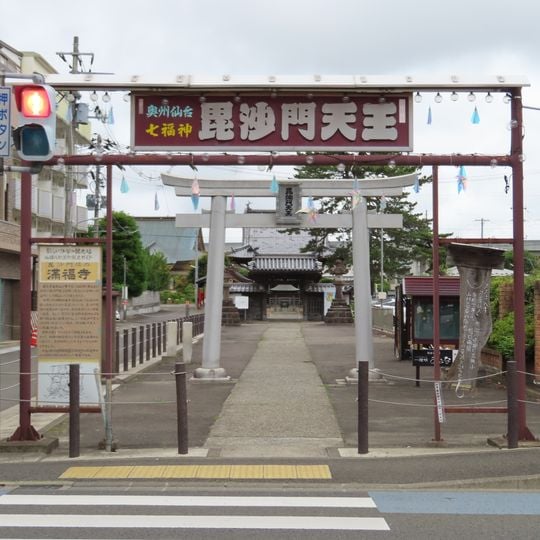
Mampuku-ji, Buddhist temple in Wakabayashi-ku, Japan
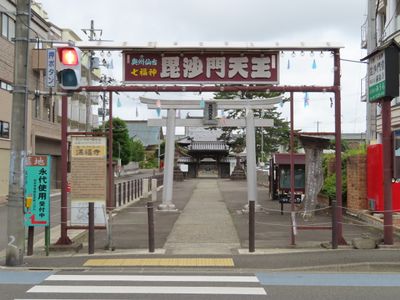
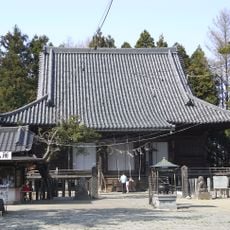
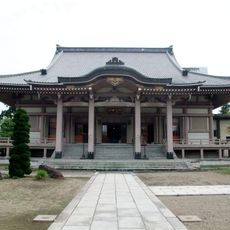
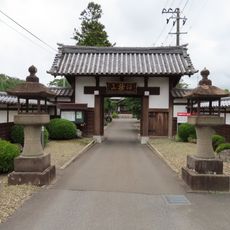
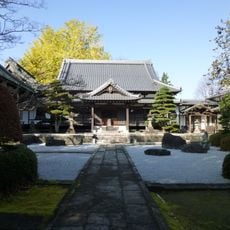
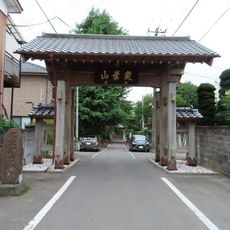
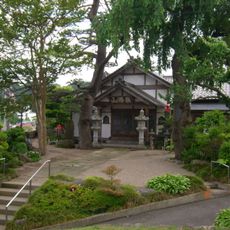
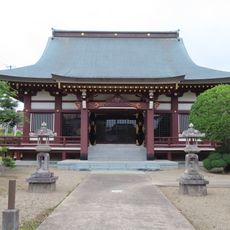
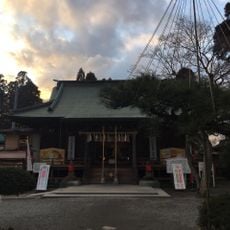
Mampuku-ji is a temple with several traditional halls connected by stone-paved pathways. The wooden structures follow Ming Chinese architectural principles in their design and spatial arrangement.
Founded in 1643, the temple became a center for Buddhist practices guided by successive generations of Chinese and Japanese priests. This tradition of continuous spiritual leadership shaped its character across centuries.
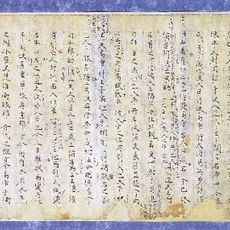
The temple houses around 60,000 wooden printing blocks for Buddhist scriptures, created in the 17th century through donations gathered nationwide. This collection reflects how believers across the country supported the spiritual work happening here.
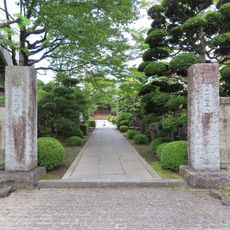
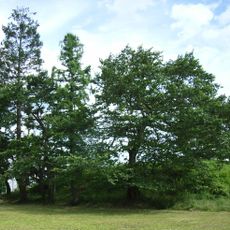
The temple grounds are open daily and visitors will find good signage directing them through the different areas. Stone pathways are well-maintained, making it easy to navigate between the various halls and outdoor spaces.
When viewed from above, the temple buildings form a pattern resembling a dragon, with structures arranged in a specific sequence along the main axis. This carefully considered design element merges symbolism with spatial planning in a subtle way.
The community of curious travelers
AroundUs brings together thousands of curated places, local tips, and hidden gems, enriched daily by 91,694 contributors worldwide.