Edo, Castle town in Toshima district, Japan.
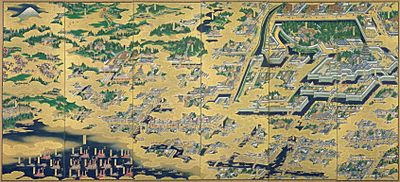
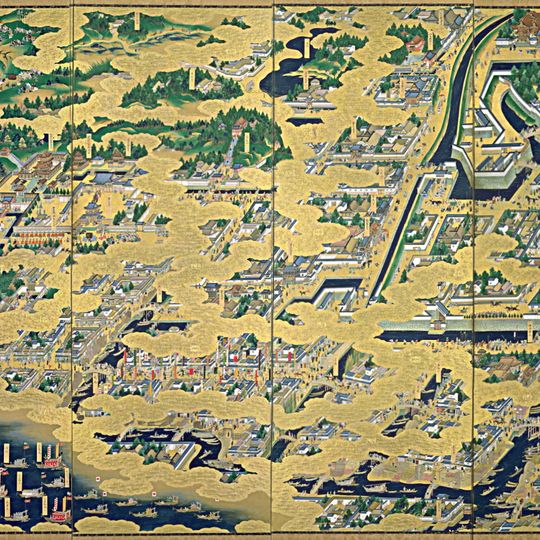
Edo was a castle town in Toshima district, Japan, with streets arranged in a grid pattern around the central castle. The city contained distinct social quarters featuring wooden buildings and merchant warehouses that reflected the hierarchical society of the time.
Edo grew from a small fishing village starting in 1603 under Tokugawa shogunate rule into one of the world's largest cities. The city underwent this transformation over more than two centuries until the shogunate system ended in 1868.
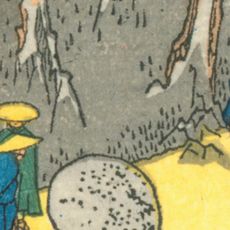
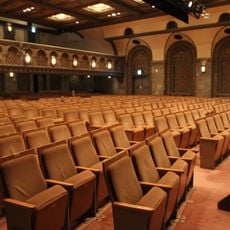
The merchant quarters of Edo were centers of artistic creation, producing woodblock prints, kabuki theater, and traditional crafts that shaped Japanese culture for centuries. These art forms grew directly from everyday city life, showing how ordinary people enjoyed entertainment and expressed their creativity.
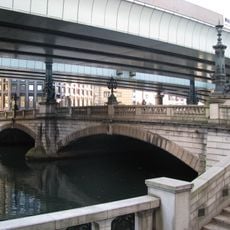
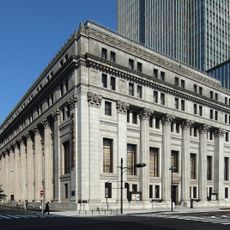
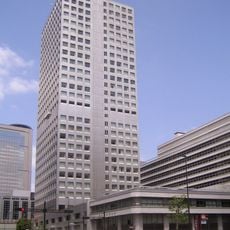
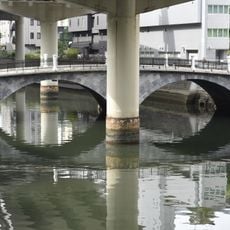
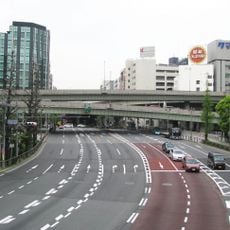
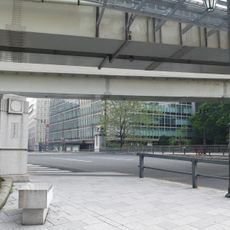
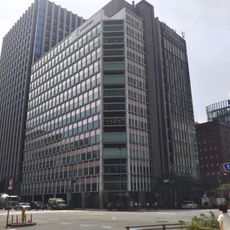
Former Edo sites are accessible via the Yurikamome transit line, which connects several locations throughout modern-day Tokyo. Using public transportation, visitors can explore different areas and follow the layout of the historical city structure.
The street layout included strict residential zones where samurai lived in upper districts while merchants occupied lower areas. This spatial separation was a key method of organizing social order and displaying hierarchy through geography.
The community of curious travelers
AroundUs brings together thousands of curated places, local tips, and hidden gems, enriched daily by 92,316 contributors worldwide.