Lake Sai, Landslide-dammed lake in Fujikawaguchiko, Japan.
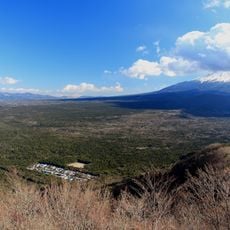
Lake Sai is a landslide-dammed lake in the Fujikawaguchiko area and part of the Fuji Five Lakes system. The water surface sits at 900 meters elevation and is surrounded by steep forested slopes.
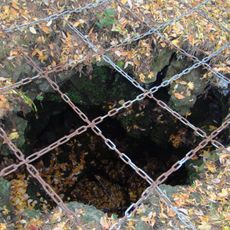
The lake formed in 864 when a volcanic eruption of Mount Fuji created lava flows that separated one large water body into three distinct lakes. This geological event shaped the landscape that exists today.
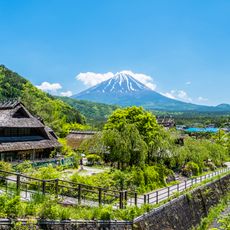
The Saiko Iyashi no Sato craft village features traditional farmhouses with thatched roofs where artisans still practice Japanese handicrafts and noodle making by hand. You can watch these craftspeople at work and understand how these skills remain part of local life today.
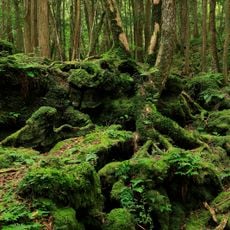
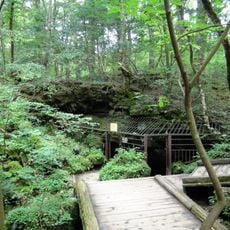
Saiko has no natural outflow; an artificial channel now carries its water to Lake Kawaguchi and drives a small power station using the drop in height. The lake lies inside Fuji-Hakone-Izu National Park, and the Aokigahara forest covers its southern shore. Lakeside lodgings cluster in the Sai and Nemba minshuku villages, with campsites between them.
In 1935, 100,000 fertilised eggs of kunimasu, a fish endemic to Lake Tazawa in Akita Prefecture, were sent here and released after hatching. The species was later declared extinct in its home lake, until a Kyoto University team confirmed kunimasu in Lake Sai in 2010, about 70 years after the last reported sighting. The rediscovery led to a sister-lake agreement with Lake Tazawa in November 2011.
The community of curious travelers
AroundUs brings together thousands of curated places, local tips, and hidden gems, enriched daily by 94,244 contributors worldwide.