Narusawa Ice Cave, Ice cave in Narusawa, Japan
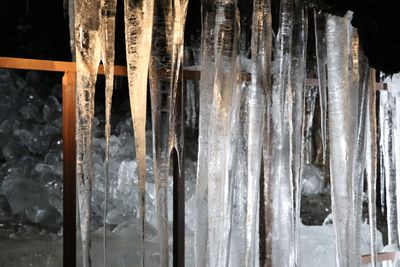
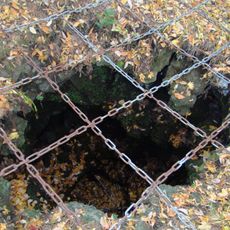
The formation extends 492 feet (156 meters) beneath Mount Fuji, creating a circular underground path lined with basalt lava formations and natural ice pillars. Ceiling heights vary from 3 to 10 feet (1 to 3 meters), requiring visitors to navigate through multiple chambers with different geological features. Ice accumulations cover portions of the floor and walls throughout.
The tunnel system originated during Mount Fuji's major eruption in 864 CE, when lava flows created hollow spaces as molten rock drained away from the surface. The formation was documented in the 19th century and opened to visitors during the Meiji era after centuries of commercial ice storage operations ceased in the region.
During the Edo period, the formation functioned as a natural refrigeration facility where ice was preserved for delivery to government officials in distant cities. The consistent 3-degree Celsius temperature allowed storage for months before mechanical refrigeration existed, making this resource valuable for medicine and food preservation.
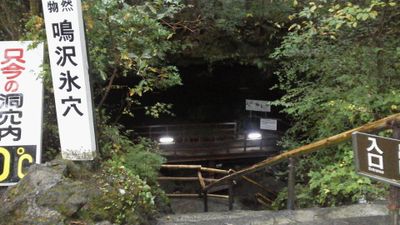
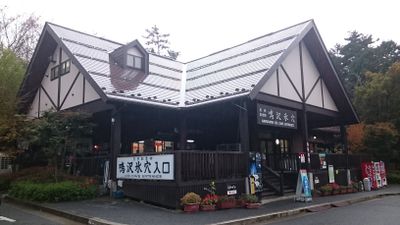
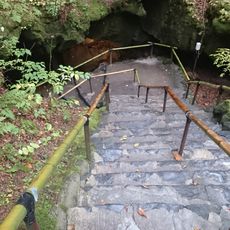
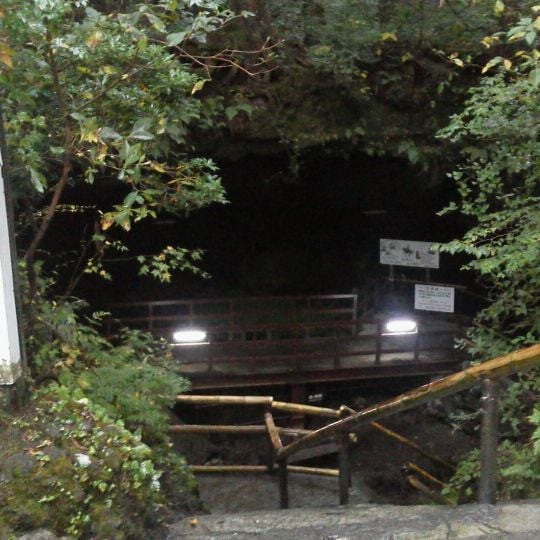
The formation maintains a constant temperature of 37 degrees Fahrenheit (3 degrees Celsius) throughout the year, with guided tours available daily between 9:00 AM and 4:30 PM. Visitors should wear warm clothing and non-slip footwear, as surfaces become icy and uneven. The entrance is located near the Aokigahara Forest Road and accessible by bus from Kawaguchiko Station.
At 69 feet (21 meters) below ground level, visitors encounter the Wood Pool, a section containing permanent ice formations next to volcanic rock structures. The name derives from the historical practice of freezing timber logs in ice here for preservation during transport to Edo, with the ice serving as insulation.
The community of curious travelers
AroundUs brings together thousands of curated places, local tips, and hidden gems, enriched daily by 90,759 contributors worldwide.