Daisetsuzan National Park, National park in central Hokkaido, Japan.
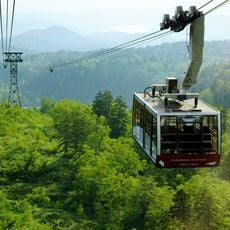
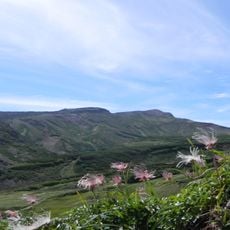
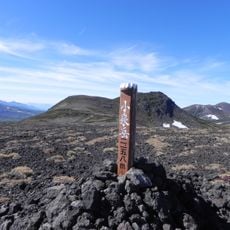
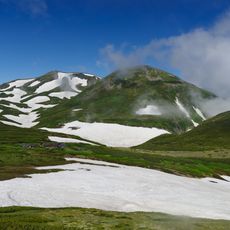
Daisetsuzan National Park is a large mountain region in central Hokkaido covering diverse terrain with numerous peaks at varying elevations. The landscape includes alpine meadows, forests, steep slopes, and river valleys that change with the seasons and elevation.
Daisetsuzan was designated a national park in 1934, one of the first five in Japan alongside Akan, Nikko, Chubu-Sangaku and Aso. In 1977 the park's status changed when the headwaters of the Tokachi River were removed and reclassified as a wilderness conservation area. The Daisetsuzan range itself was made a national natural monument in 1971 and a special natural monument in 1977.
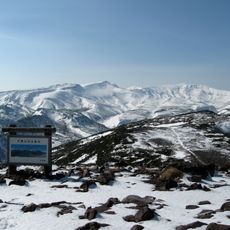
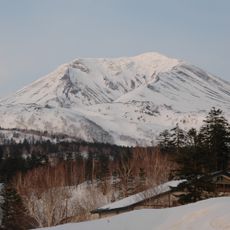
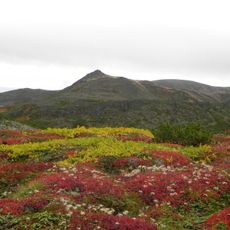
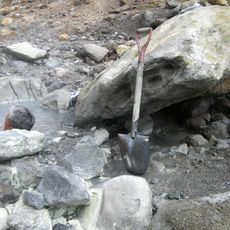
The name Daisetsuzan means "great snowy mountains", a fitting description of peaks that reach 2,290 m at Asahidake. The park holds four onsen resorts — Asahidake, Fukiage, Sōunkyō and Tenninkyo — where bathers soak after hikes. Its alpine meadows are among the first places in Japan to show autumn colour, drawing crowds to the slopes each September.
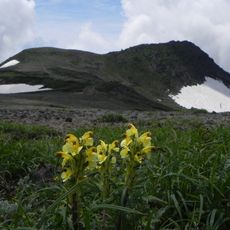
The hiking season runs from late June to early October; snow patches remain in early July and the first snow falls around mid September. The park is split into four mountain areas, with trailheads at Asahidake Onsen, Sounkyo Onsen, Tenninkyo Onsen and Fukiage Onsen. The tree line lies at about 1,500 m, so routes quickly reach open alpine ground.
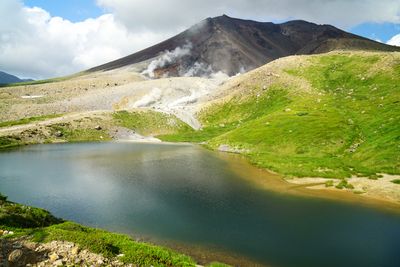
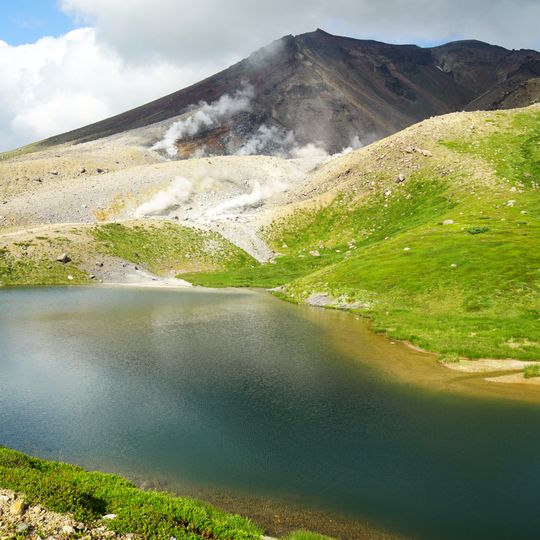
The park contains Mount Asahidake, Hokkaido's highest peak, where volcanic activity creates steam vents and warm springs on the mountainside. This ongoing geological activity makes this area distinct from other mountains in Japan and reveals the natural forces beneath the surface.
The community of curious travelers
AroundUs brings together thousands of curated places, local tips, and hidden gems, enriched daily by 93,666 contributors worldwide.