Asahi-dake, Active volcano in Higashikawa, Japan
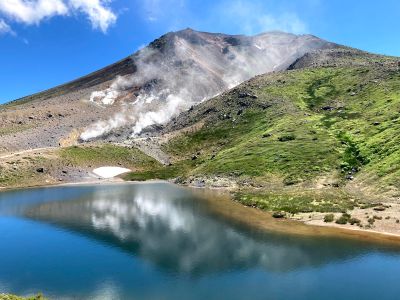
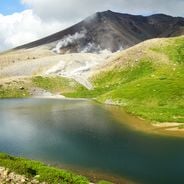
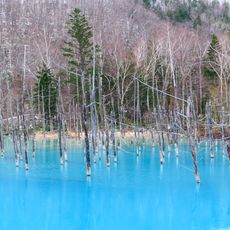
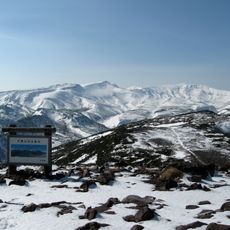
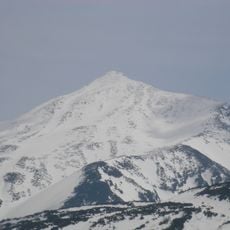
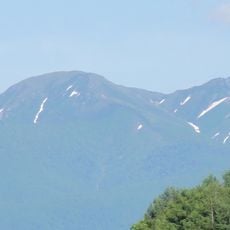
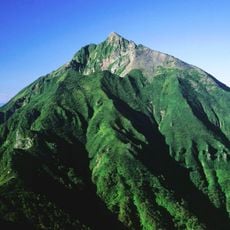
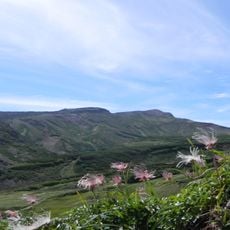
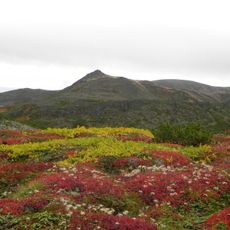
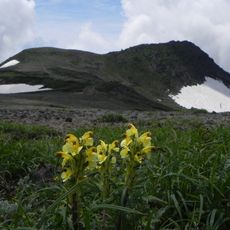
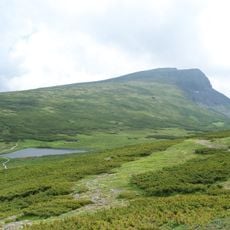
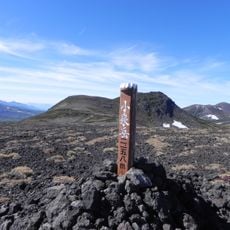
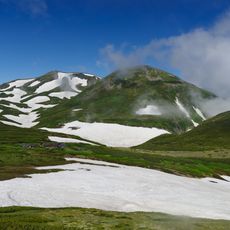
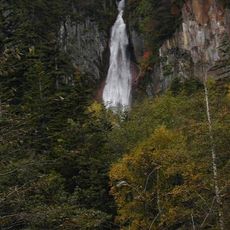
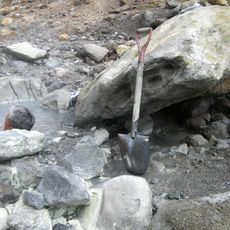
Asahi-dake reaches 2291 meters as Hokkaido's tallest summit, marked by steam vents, volcanic rock formations, and mountain paths. The landscape shows active geothermal activity with visible fumaroles and cooled lava formations along the trails.
The mountain experienced several documented eruptions between 3200 BC and 1739, with sulfur mining conducted in its fumarolic areas. This volcanic past shaped the current topography with its craters and rock layers.
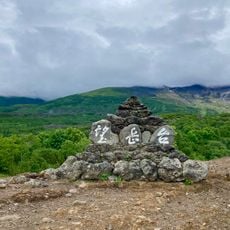
The Ainu name Kamui-mintara means "playground of the gods", and the mountain was held in awe as a realm close to the gods. The Ainu name Nutapukaushipe was also used, and the summit triangulation point is named Nutakku. A ceremony, Nupurikorkamuinomi, is still held at the foot of the mountain to pray for the safety of climbers and visitors.
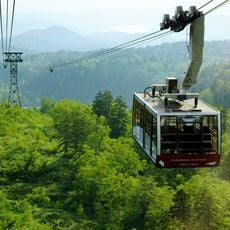
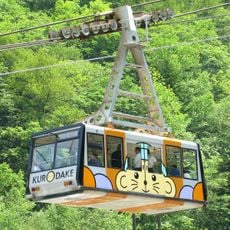
A ropeway carries visitors from Sanroku Station at 1100 meters to Sugatami Station at 1600 meters in roughly ten minutes. From there, marked paths lead to different viewpoints and geothermal areas across the mountain.
The summit's first-class triangulation point is named "Nutakku", after the Ainu name Nutapukaushipe; the peak was only officially renamed Asahi-dake in 1910. The Ainu still hold the Nupurikorkamuinomi ceremony at the foot of the mountain to pray for the safety of climbers and visitors.
The community of curious travelers
AroundUs brings together thousands of curated places, local tips, and hidden gems, enriched daily by 93,294 contributors worldwide.