Shimabara Castle, Japanese castle in Shimabara, Japan
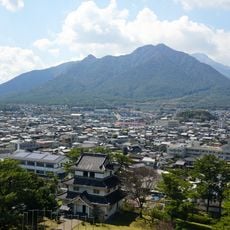
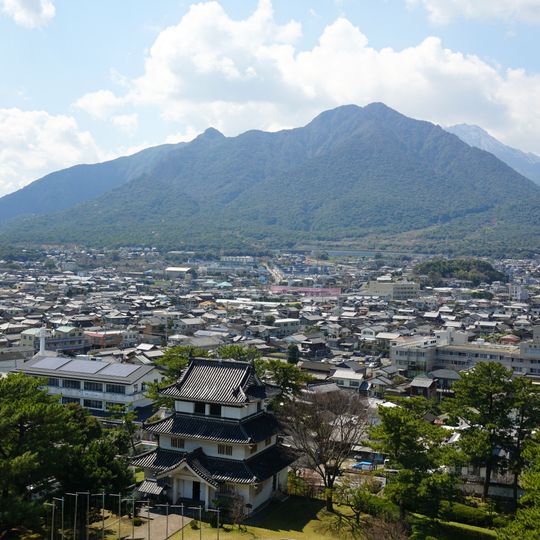
Shimabara Castle is a flatland castle with a five-story keep rebuilt in reinforced concrete, its white plaster walls topped by dark tiled roofs. Two keeps stand on a high stone base above massive walls of irregular gray stones laid in stepped, sloped sections. The main enclosure is surrounded by a water moat and linked to the second enclosure by a single wooden corridor bridge.
Matsukura Shigemasa began the castle in 1618 on the orders of the shogunate, replacing the Arima clan, and it was completed in 1624 after seven years of work on loose volcanic soil. Heavy taxation to fund the build contributed to the Shimabara Rebellion of 1637–1638; the castle was besieged but not damaged. The Matsukura were replaced by the Kōriki in 1638, followed by the Matsudaira and Toda clans until 1871.
The keep's museum holds Christian relics and documents from the persecution of the Kirishitan, alongside local history and folklore exhibits on separate floors. The Tatsumi Yagura displays works by sculptor Seibo Kitamura, a Shimabara native. In October the castle hosts a takigi noh performance and the Shiranui festival.
The castle is open to visitors daily with all floors accessible, each level displaying different exhibits and collections. On clear days, the upper levels provide good views of the surrounding landscape and distant mountains.
The Tatsumi Yagura, rebuilt in 1972, holds the Seibo Kitamura Memorial Museum, displaying works by the Shimabara-born sculptor. The Ushitora Yagura, restored in 1980, serves as a folk-tools museum and displays the doors of the former谏早門 gate. The samurai houses lie in the separate Shimabara Bukeyashiki district, not on the castle grounds.
The community of curious travelers
AroundUs brings together thousands of curated places, local tips, and hidden gems, enriched daily by 93,130 contributors worldwide.