Shinkai-daijingū, Shinto shrine in Japan
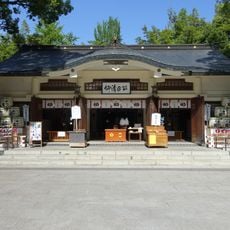
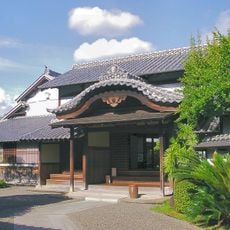
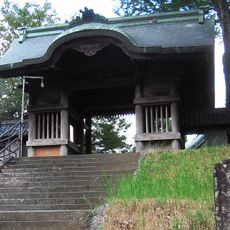
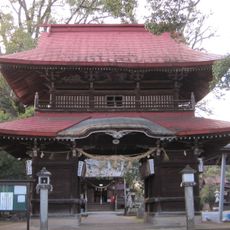
Shinkai-daijingū is a small Shinto shrine in Minami-ku with simple wooden structures and a traditional roof. The grounds feature a few trees and small stone lanterns that add to the peaceful setting around the modest main hall.
According to tradition, Ōtaguro Magoshichirō founded the shrine in 1445 after a revelation from Amaterasu, enshrining Ise Jingū here. Sassa Narimasa burned the shrine buildings during the Tenshō era (1573–1592); Katō Kiyomasa later restored them, and the Hosokawa family extended protection. In the late Edo period, Hayashi Ōen and his disciples, including Miyabe Teizō, revered the shrine, and Ōtaguro Tomoo served as its priest.
The shrine's name, Shinkai, comes from the land reclamation that created this ground; the deity enshrined is Amaterasu Ōmikami, invited from Ise Jingū in 1445. The main festival is held on 16 October, with a spring rite on 26 March and the summer Nagoshi purification on 20 July, when visitors receive hito-gata paper effigies for the purification prayer.
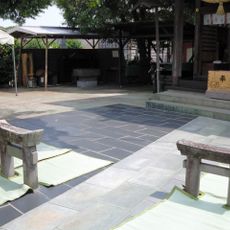
Shinkai-daijingū stands in Uchida-machi, Minami-ku, Kumamoto, and is reached by local bus or car rather than by train. The grounds hold a well, Misogi no Ido, where visitors stop to look; the main rites fall on 16 October, 26 March and 20 July, when the precinct is busiest.
The grounds hold the Misogi Well, where Ōtaguro Tomoo purified himself before performing ukehi, the divine lots cast before the Shimpūren Rebellion of 1876. The shrine's own ukehi ritual was held here, tying the well to that uprising's origins.
The community of curious travelers
AroundUs brings together thousands of curated places, local tips, and hidden gems, enriched daily by 93,657 contributors worldwide.