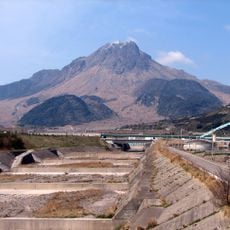
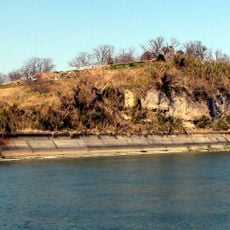
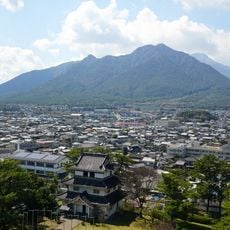
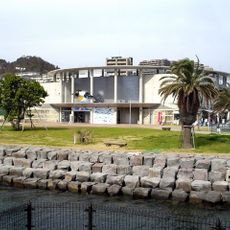
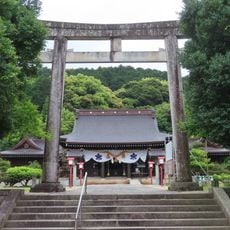
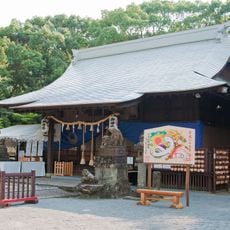
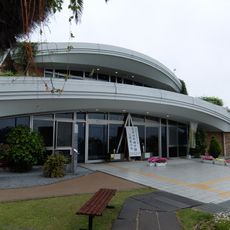
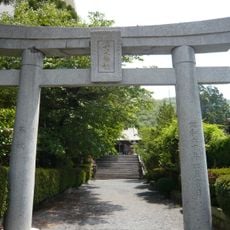
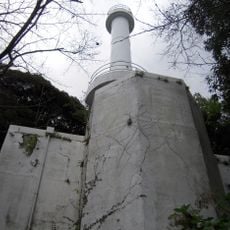
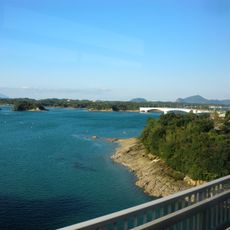
Hinoe Castle, Japanese castle ruins in Minamishimabara, Japan
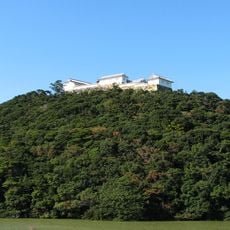
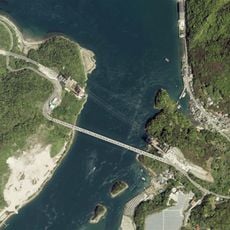
Hinoe Castle is a fortress ruin on a hill near the mouth of the Arima River, spreading across about 400 by 200 meters. The site displays multiple stepped enclosures arranged in layers around the central citadel.
Fujiwara Tsunezumi built the castle during the Kenryaku era (1213–1219) and took the surname Arima. The Arima clan held it for about 400 years until Arima Naozumi was transferred to Nobeoka in 1614. Matsukura Shigemasa arrived in 1616, found it inconvenient, and built Shimabara Castle, abandoning Hinoe Castle.
Arima Harunobu, the 13th head of the clan, converted to Christianity and built a seminary in the castle town, destroying Buddhist temples and Shinto shrines to reuse their materials. The castle site also honours Hachitengu, a deity still worshipped there, and after the Shimabara Rebellion settlers turned the grounds into orchards and fields.
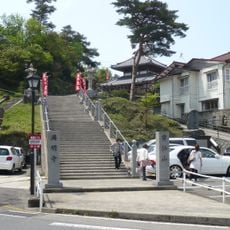
The site is reached by a staircase over 100 meters long that climbs to the main enclosure; the main gate is thought to have stood on the east side. The excavated staircase was backfilled for preservation and is no longer visible. Buses stop at Hinoe Castle entrance (15 minutes on foot) or Hashiguchi (5 minutes) for routes via Kita-Arima.
Archaeological digs uncovered roof tiles decorated with gold leaf and stonework using foreign construction techniques. These finds show the fortress had advanced craftsmanship that went beyond typical Japanese methods.
The community of curious travelers
AroundUs brings together thousands of curated places, local tips, and hidden gems, enriched daily by 93,642 contributors worldwide.